
Review · ZIP LINES
Bled: Europe’s Longest Zipline Adventure over Dolinka River
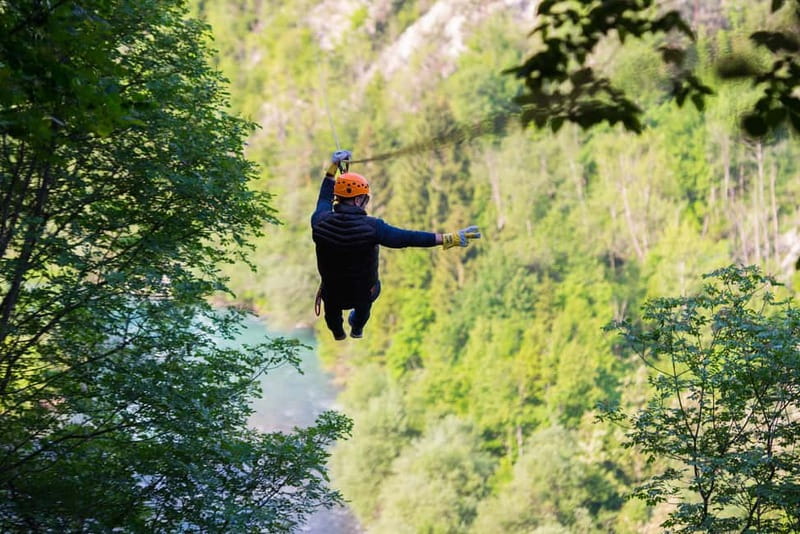
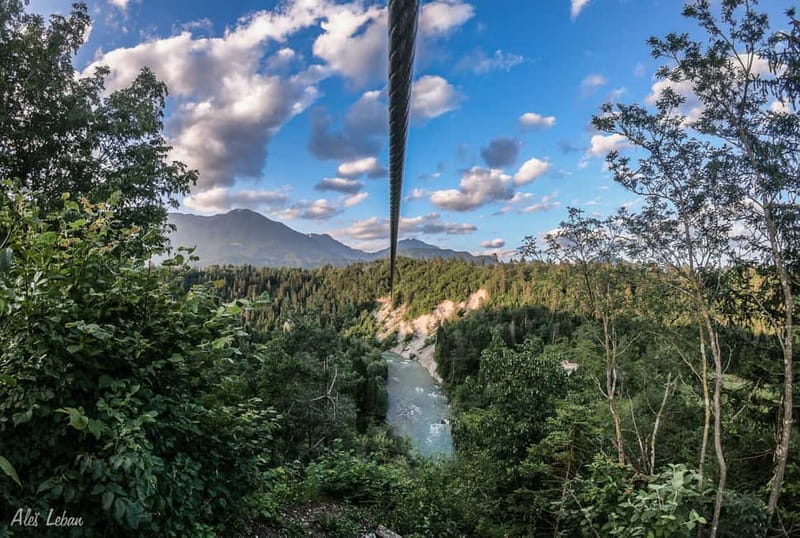
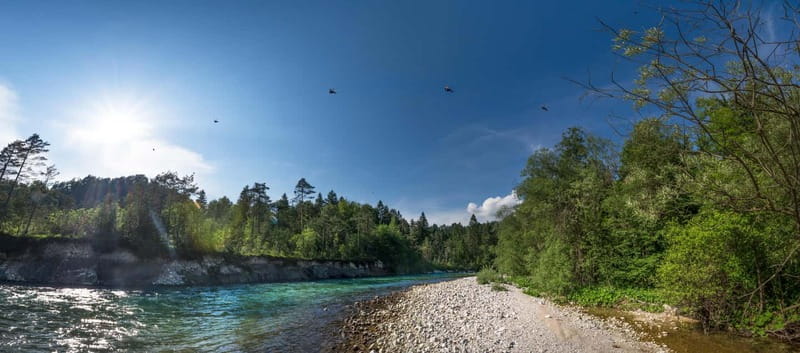
Flying 4 kilometers near Bled is real. Zipline Dolinka is built for 4 km of zipline time over the Sava Dolinka River, with big views toward Triglav National Park that make it feel like you’re gliding above the whole region.
I especially like the safety briefing and how confident the guides feel. I also like the repeated river crossings, because the experience keeps changing as you move along the valley instead of doing one long, same-looking flight.
One thing to plan for: there’s hiking between cable runs, and the in-between climbs can feel like steep ramp walks if you’re not used to uneven ground.
In This Review
- Key highlights before you clip in
- Flying 4 km over the Sava Dolinka, with Triglav National Park views
- From Cesta svobode 1 to Lake Bled: how the 2.5-hour flow works
- The 20-minute safety briefing that makes first timers feel ready
- Seven cables and multiple river crossings: what the ride feels like
- The in-between hiking reality, and how to handle steep ramps
- What to wear, bring, and avoid so the harness fits right
- Guides in English: why coaching matters as much as the cables
- Price and value at about $111 per person
- Best time to go: light, rain, and the 18:00 tip
- Who should book Zipline Dolinka from Bled, and who should skip it
- Should you book Zipline Dolinka in Bled?
- FAQ
- How long is the Zipline Dolinka experience?
- Where do you meet for the tour?
- What is the age requirement for children?
- What should I wear and bring?
- Is there a weight or body-size limit?
- What if I cancel plans?
Key highlights before you clip in
- Europe’s longest zipline over the Sava Dolinka, with a 4 km run you’ll remember
- Seven cables with different angles and lots of river-and-valley views
- A thorough safety process that includes clear hand-signal technique practice
- Friendly, English-speaking guides who coach first timers step-by-step (names you may hear include Clara, Enej, Luka V, Nace, Tim, and Dominic)
- Photo-friendly moments, and help from guides for GoPro-style video setup
Flying 4 km over the Sava Dolinka, with Triglav National Park views
This is Bled, but it’s also a quick ride out of the usual postcard loop. The big hook is that you fly over the Sava Dolinka River on what’s promoted as Europe’s longest zipline, a 4 km stretch that turns the valley into a moving viewpoint. You’re not just looking at mountains from a viewpoint. You’re moving across them.
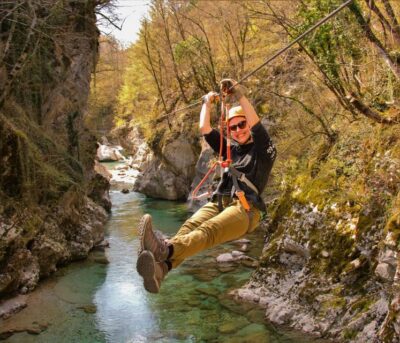
What makes it work for real-life trips is that the day isn’t all one straight shot. You fly seven steel cables, so the scenery keeps shifting. Sometimes you’re watching water move below you. Other times you’re staring out toward the protected natural area around Triglav National Park, which is exactly the kind of setting where air time feels worth it.
If you’re doing this with someone who gets nervous, this setup tends to help. You build confidence line by line, not all at once. And if you’re the nervous one, you get coached, not left guessing, which is why so many first-timers say they felt safe and relaxed once the briefing was done.
More zipline runs worth a look:
- Rafting and zipline in Bled Slovenia
★ 4.5 · 19 reviews - Bled: Zipline Over the Sava River
★ 3.3 · 6 reviews - Zipline Over the Sava River
★ 2.6 · 5 reviews
From Cesta svobode 1 to Lake Bled: how the 2.5-hour flow works
Plan on a 2.5-hour total experience, which keeps it realistic for a busy Bled itinerary. Most groups start at Cesta svobode 1. From there, there’s a short van ride, about 7 minutes, and then you settle in for the next phase of the morning or afternoon.
You’ll do a 20-minute safety briefing by the Lake Bled area. Then the actual ziplining time is about 2 hours in the field, moving between launch points and taking the cables one after another. After the last ride, you return to Cesta svobode 1.
Two practical notes. First, parking isn’t provided, so don’t plan on driving and leaving your car right there. Second, traffic can slow things down if you’re coming from outside Bled, so I’d give yourself extra time rather than arriving at the edge of your schedule. Also, they ask that you arrive at least 15 minutes early so your harness and prep don’t run behind.
The 20-minute safety briefing that makes first timers feel ready
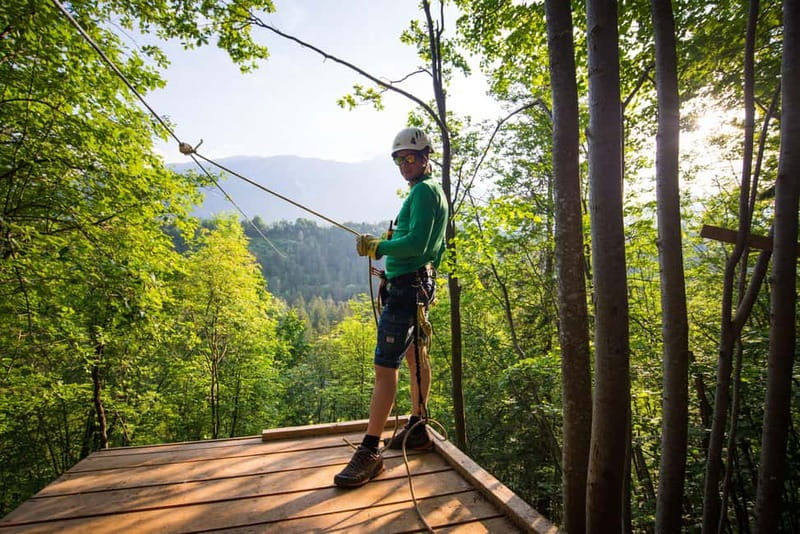
This is one of those activities where the difference between scary and fun is how well the safety process is explained. The format here is straightforward: you meet your guide, get kitted with safety equipment, listen to the briefing, and then get ready to fly.
What I like is the focus on technique, not fear. You’re taught how to handle the harness and how to behave on the line, and you’re tested on hand signals before you start. That matters because the zipline team needs everyone moving the same way, and it’s easier to enjoy the ride when you know what the signals mean.
You’ll also hear practical context as you’re waiting between runs. Guides share insight about the valley’s wildlife and the environment, plus what you’re looking at as you fly over the ecologically protected river area. It turns a thrill ride into something with a sense of place, and it gives your brain something useful to focus on besides, Am I really floating now.
English instruction is listed, and in the field you’ll hear guides working in that same clear, step-by-step style. People often highlight coaches like Clara, Zoopy, Enej, Luka V, Nace, and Tim or Dominic as particularly supportive during the first moments.
Seven cables and multiple river crossings: what the ride feels like
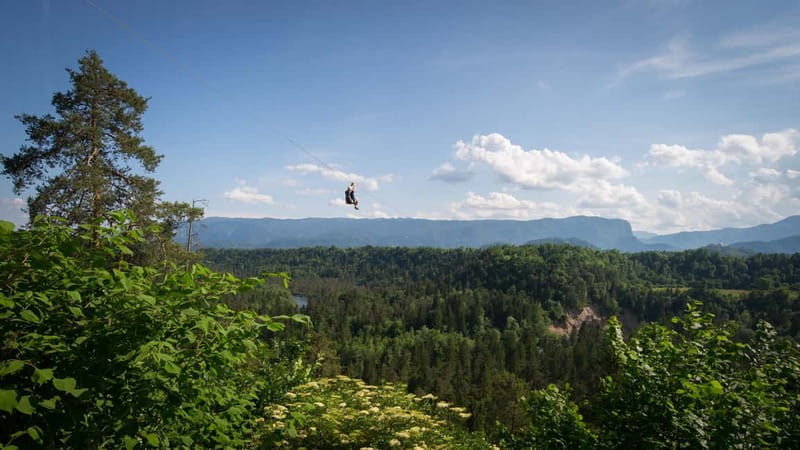
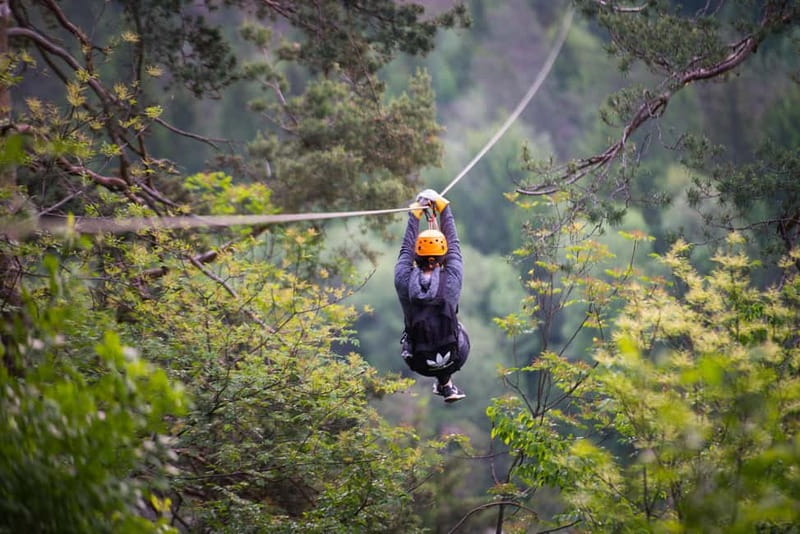
The ride is staged so you get a sequence of “wow” moments instead of one. The seven cables each give a different view angle, and a big reason people love it is that you cross the Dolinka river multiple times as you go. Seeing the river again and again helps you track your movement and makes the whole route feel longer in the best way.
On a calm day, that means crisp, dramatic views. On a rainy or overcast day, you might have less contrast in the mountains, but you can still feel the motion and the scale. One strong theme from participant feedback is that the experience stays fun even when the weather isn’t perfect, because the guides keep the flow going and the safety process doesn’t change.
Speed is part of the thrill, but the better takeaway is how confidence builds. Many people start off tense on the first line. Then the guides’ pacing, plus the repeated chances to practice the right posture and hand signals, makes the later lines feel easier.
If you’re the kind of traveler who cares about photos, this activity is built for it. A rider-friendly touch you might experience is guides helping you with video and camera angles, including GoPro-style setup, so you don’t spend your whole flight thinking about how to hold your device.
The in-between hiking reality, and how to handle steep ramps
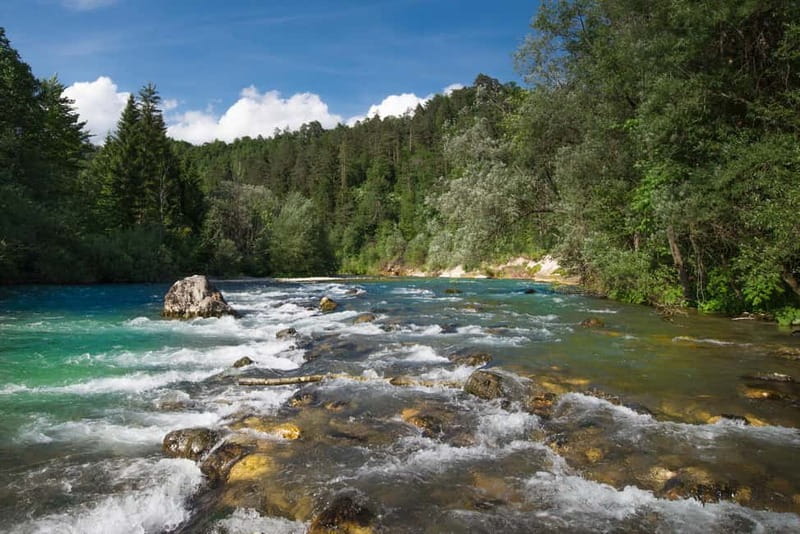
Here’s the catch that you should treat seriously: ziplining is not just clicking into a cable and floating. Between launches, you’ll be doing walking and moving over trails. The terrain can be steep and underfoot conditions can be a challenge.
This doesn’t mean you need to be a mountain athlete. The activity is described as beginner-friendly, and the cable side is designed so people with normal fitness can participate. But you should be honest with yourself about mobility and balance.
If you have an injury, low fitness, or any limits in leg or hip comfort, make a plan to slow down and take breaks before you start. I’d also go into the day mentally prepared for waiting time. In any group-based adventure, you’ll ride in sequence. If your group is larger, you may spend more time standing between lines while the team keeps the whole group moving safely.
For many people, that hiking portion is what turns a first attempt from thrilling to tiring. For most others, once they’re harnessed and moving at their pace, it ends up feeling manageable. Just don’t pretend the in-between is “totally easy.”
More Lake Bled tours and day trips worth a look:
What to wear, bring, and avoid so the harness fits right
To make this feel smooth, you’ll want the right clothes from the start. Bring water, wear closed-toe shoes, and go for comfortable clothes you can move in. They also provide safety equipment, but your outfit has to allow proper fitting.
Long hair needs to be braided so the helmet fits safely. And you’ll want a small backpack or small carry option for your essentials. They note a small backpack with water is appropriate.
There are also specific clothing rules. Sports clothes are required, and a short-sleeved T-shirt is mentioned, with shoulders covered. Avoid crop tops. A jacket should reach to the waist, not hang too long. Skirts are not allowed. Footwear matters too, no flip-flops.
Avoid anything they list as not allowed: smoking, alcohol and drugs, chewing gum, nudity, and bare feet. You’ll also want to show up in a good mindset, because this kind of adventure runs better when you’re not fighting your gear.
Body fit matters as well. Equipment fit is described as depending on body shape. Limits include up to 120 kg, and they list measurements like a 120 cm waist in the belly area and 75 cm in the thigh area. Separately, people over 260 lbs (118 kg) are listed as not suitable. If you’re near the top end or unsure, you should check your measurements ahead of time so you don’t end up disappointed on site.
Guides in English: why coaching matters as much as the cables
The guides are a major part of why this feels beginner-friendly. The coaching is clear, and you’re given steps, not vibes. Many people mention how friendly and supportive the instructors were while still keeping the safety tone serious.
You’ll also notice the guides repeat key rules and don’t assume you already know what to do. Some teams are known for adding humor into the briefing. Names you may hear associated with strong experiences include Clara, Enej, Luka V, Nace, Tim, Dominic, Ana, Domen, and Marko Polo. (And yes, you may hear different name spellings depending on booking confirmations, but the important part is the consistent coaching style.)
A smart traveler tip: listen closely during the first briefing, because later signals and movements are tied to that training. You’ll also be tested on hand signals before you ride, so treat that like the start of your confidence phase.
And if you care about recording memories, you can ask for help with video setup during the instructions portion. People have noted guides helping with capturing the experience, including GoPro-style filming.
Price and value at about $111 per person
At $111 per person for about 2.5 hours, this is not a cheap throw-in activity. But it’s also not priced like a random tourist stunt. You’re paying for professional safety gear, guided instruction, transportation to the site, and a full route of seven cable segments, including that 4 km run.
Here’s how I think about the value. In Bled, you can spend money on a few hours of scenery that you view from the ground. This gives you a moving viewpoint, with repetition, and a sense of achievement that stays with you. If you’re only choosing one “adventure” during your Bled stay, the cost can feel justified because it’s a complete experience, not just one short moment.
Would I say it’s worth it for everyone? No. If you hate heights, don’t want to do any walking, or you fall into the listed unsuitability categories, you’ll likely feel stressed. But for the right traveler, the price-to-duration ratio is solid, and the memories are the kind you talk about later.
Best time to go: light, rain, and the 18:00 tip
Zipline Dolinka is listed as operating in all weather conditions. That’s good news because Bled plans can change fast. You might still get rain or overcast skies, but you’ll still get your seven-cable run if conditions allow.
If you have a choice, late-afternoon slots tend to get attention for picture light. One participant specifically recommended a session around 18:00 for the views and photo opportunities. If you’re the kind of person who cares about golden-hour tones, that timing can be worth it.
Also note a small comfort detail. Some people mention that the van ride can feel hot if the vehicle has limited air conditioning. If you’re sensitive to heat, wear breathable clothes and plan to hydrate with your water bottle before you start.
Either way, dress for the weather you’ll be in. They operate in all conditions, so your clothing choice matters.
Who should book Zipline Dolinka from Bled, and who should skip it
This fits best if you want a guided, high-thrill activity with a clear safety process, and you can handle a bit of walking over uneven ground.
It’s described as suitable for beginners and adventure seekers, but you still have limits. Not suitable categories include children under 6, people with mobility impairments, people with heart problems, people with epilepsy, pregnant women, and people with low fitness. The body-size limits and equipment-fit measurements also matter.
Age rules are clear:
- Children 6 to 14 must be accompanied by a parent.
- Ages 15, 16, 17 can go alone with written consent by a parent or legal guardian.
For couples and groups, it’s also a good match because the guided format keeps everyone on the same pace. If you’re going with a teen, it can be a strong “active memory” alternative to a long day of sightseeing.
There’s also an option for private group formats, which can help if you want more control over timing or group dynamics.
Should you book Zipline Dolinka in Bled?
I’d book Zipline Dolinka if you want the most direct way to feel the scale of the Dolinka valley from above. The combination of 7 cables, the 4 km run, and the repeated river crossings gives you multiple chances for that wow moment, not just one.
I’d think twice if you know you struggle with steep, uneven walking between ramps. That in-between hike is the main trade-off, and it’s the part that can turn an exciting afternoon into a miserable one if you’re not comfortable.
If you’re healthy, normal fitness is fine, and you can follow safety instructions, this is one of the more memorable ways to spend a few hours near Bled. Choose a slot that matches your comfort with walking and your preference for light, and go in ready to listen, clip in, and enjoy the ride.
FAQ
How long is the Zipline Dolinka experience?
The total guided experience is about 2.5 hours, including the safety briefing and time on the ziplines. The zipline portion is about 2 hours.
Where do you meet for the tour?
The meeting point is at Cesta svobode 1. They note it is in the center of Bled and within walking distance for many accommodations.
What is the age requirement for children?
Children ages 6 to 14 must be accompanied by a parent during the tour. Ages 15, 16, and 17 can go alone with written consent by a parent or legal guardian. Children under 6 are not suitable.
What should I wear and bring?
Bring water and wear comfortable sports clothes with closed-toe shoes. Long hair must be braided for safety. They also note you should wear shoulders covered clothing and avoid crop tops, and you can bring a small backpack with water.
Is there a weight or body-size limit?
Yes. Equipment fit depends on body shape. Limits listed include up to 120 kg, plus measurements such as 120 cm waist in the belly area and 75 cm in the thigh area. People over 260 lbs (118 kg) are listed as not suitable.
What if I cancel plans?
You can cancel up to 24 hours in advance for a full refund, based on the tour’s free cancellation terms.
The newest Bled outings
- Ljubljana: Krvavec Night Sledding Adventure★ 5.0 · 1 review
- Bled: Orange Wine Tasting with Sommelier★ 5.0 · 1 review
- Mount Triglav Winter Climb★ 5.0 · 1 review
- Winter Triglav National Park Adventure – Full day trip from Bled★ 5.0 · 1 review
- Bled: Rafting and Zipline Tour★ 5.0 · 1 review
- Kranjska Gora, Bovec, Bohinj: Adventure Trip from Bled★ 5.0 · 1 review
- Vintgar gorge e-bike trip self-guided★ 5.0 · 1 review
Zip Lines, compared.
Canyon Učja — The Longest Zipline Park in Europe
Read our review →
Browse the lists this tour appears in