
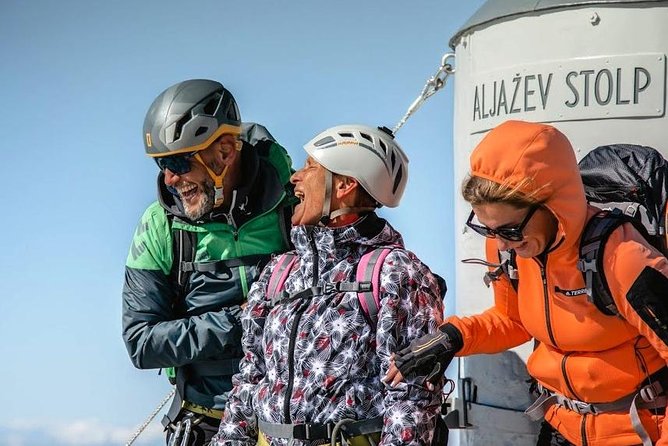
Review · TRIGLAV NATIONAL PARK ALPINE DAYS
Climbing Mount Triglav in Slovenia
Slovenia’s highest peak comes with wires and views. This is a two-day Mount Triglav climb built for first timers to the high-alpine world, using the Krma Valley route on day one and saving the tough via ferrata summit section for day two. I love the small-group feel, capped at four climbers, and the fact that helmet, harness, and rope are included so you can focus on safe movement. One heads-up: accommodation at Triglavski dom and all meals are not included, so your total spend is higher once you budget around the hut.
You start in Bled at 8:00 am and end back at the same meeting point, which keeps things simple on a short trip. The climb is guided, and the pace is realistic for moderate fitness. You will still be on the go for hours, with day one lasting about 5 to 7 hours.
In This Review
- Key Highlights You’ll Feel on the Trail
- Mount Triglav, Slovenia’s Highest Point, in Two Real Days
- Day One on the Krma Valley Route, From Climb to Triglavski dom
- Day Two: The Via Ferrata Push to the Summit at 2864 Meters
- Guides, Risk Management, and Why the Group Size Helps
- What’s Included, What You Pay For, and Real Value at $438.51
- Logistics in Bled: Meeting Point, Start Time, and Staying Simple
- Gear Checklist That Keeps You Comfortable, Not Just Safe
- Who This Triglav Climb Really Suits (And Who Should Rethink It)
- Should You Book This Mount Triglav Summit Trip?
- FAQ
- What time does the Mount Triglav climb start in Bled?
- Where is the meeting point and where does the trip end?
- Is the climbing experience beginner-friendly?
- What equipment is included and what should I bring?
- Is accommodation and food included?
- How many people are in the group?
- What happens if poor weather cancels the trip?
Key Highlights You’ll Feel on the Trail
- Krma Valley route for the easiest path up to Triglav
- Via ferrata on day two with ropes, harness, and helmet support from the group gear
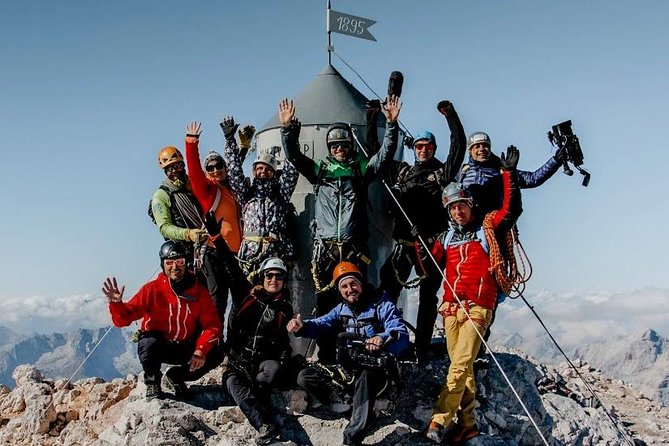
- Summit day goal: 2864 meters (9396 feet) in Triglav National Park
- Staying overnight at Triglavski dom, so you climb with time and daylight in your favor
- Small group size, max 4 travelers, for more personal attention
- Transport from Bled to the trail start included
Mount Triglav, Slovenia’s Highest Point, in Two Real Days
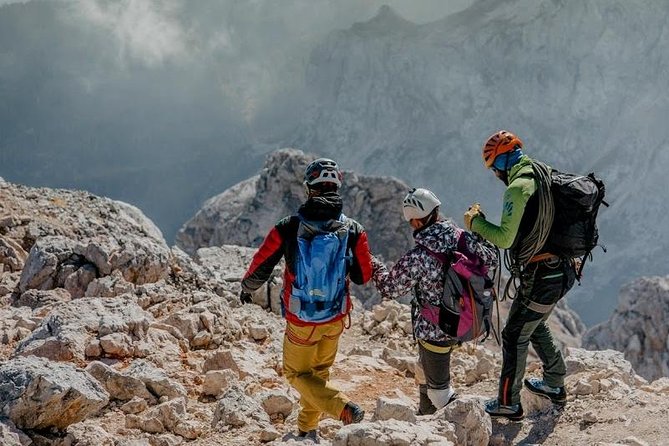
Climbing Mount Triglav is one of those bucket-list goals that feels bigger than the number on the map, and this trip makes it approachable. Triglav is Slovenia’s highest peak, and the setting is Triglav National Park, so you get that proper alpine feeling without needing an expedition mindset. It is also not just a stroll. You are climbing and scrambling, then handling a via ferrata section where the route is protected with cables and pitons.
Two things make this experience especially workable for you. First, the route choice matters. The plan uses the easiest route to the summit, the Krma Valley approach, which is what lets beginner mountaineers aim higher. Second, the safety setup is already taken care of. You get the core gear for via ferrata, including the rope, harness, and helmet, so you are not hunting for gear the night before.
The main consideration is effort and planning. Even with the beginner-friendly route, day one is still a long day, about 5 to 7 hours of climbing. And while the guide experience and transportation are included, meals and hut lodging are not, so you will need to budget extra for Triglavski dom.
More rock and ice climbing trips worth a look:
- Rock Climbing near Lake Bled
★ 5.0 · 24 reviews - Mighty Mount Triglav Climb-summer Special-join Group
★ 5.0 · 16 reviews - Ice Climbing
★ 5.0 · 6 reviews
Day One on the Krma Valley Route, From Climb to Triglavski dom
Day one is where you build confidence. You hike and climb toward Triglavski dom, with about 5 to 7 hours of uphill effort. The goal is simple: get you set up for a summit attempt on day two, without rushing everything into one exhausting push.
Why I like the Krma Valley approach for you: it is presented as the easiest route, which means you can focus on technique rather than constant decision-making. On a climb like this, that mental calm matters. You are learning how to move on steep ground, how to manage your pacing, and how to stay comfortable in changing weather. In the Alps, weather can shift fast, so having day one time to settle in is a big plus.
What to watch for on day one is your clothing strategy. Your request list for warm layers and waterproof outerwear is spot on for a two-day climb, and this is where it pays off. You will likely work up heat, then cool down when the wind picks up or you stop for breaks.
You end day one at Triglavski dom, the mountain hut where you sleep. That is not just a practical stop. Hut nights keep the itinerary realistic because you are already up high before the hardest terrain starts. The drawback is straightforward: hut accommodation and half-board are not included. You should expect around 65 EUR per person for half-board, so plan for that in your overall budget.
Day Two: The Via Ferrata Push to the Summit at 2864 Meters
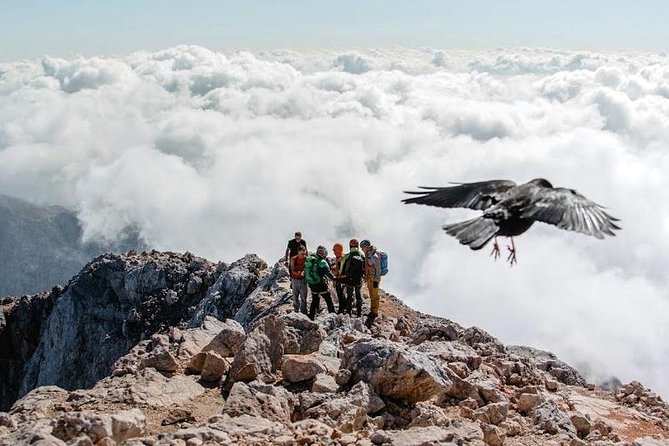
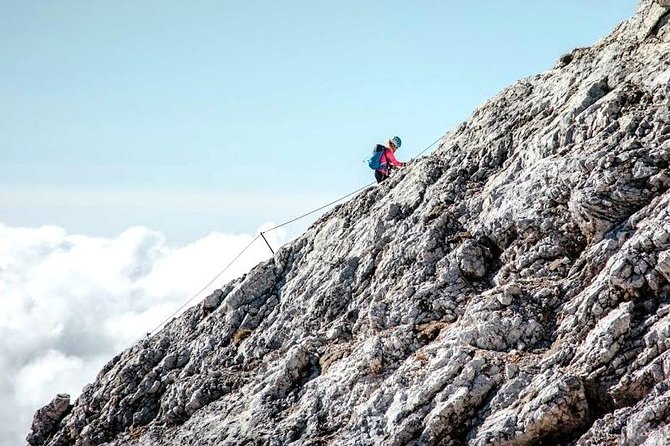
If day one is about getting ready, day two is about committing. The hardest part is the via ferrata section, which is a protected route with fixed wires and pitons. This is where the included safety kit becomes more than a checkbox.
You are not just walking up. You will use the hardware and the guide instructions to stay secure as you climb. Helmet, harness, and rope are provided as group equipment, which helps a lot if you do not own this gear yet. It also keeps the experience more consistent. When the safety setup matches the route, you can focus on steady footwork rather than improvising with borrowed equipment.
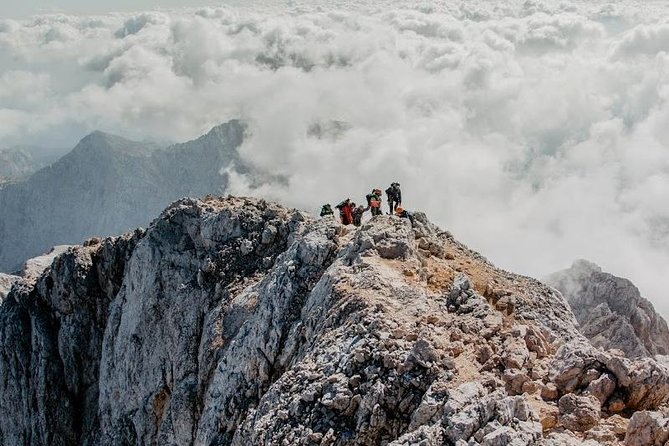
The views from the summit are described as extraordinary, and for good reason. Triglav National Park gives you wide alpine perspectives, and reaching the 2864 meter summit makes the panorama feel earned. Even if the summit itself is short, the climb up to it is the story, and you feel that payoff as you transition from cable-backed movement to open high-mountain space.
One more reality check. Day two is harder by design. You should go in assuming you will be tired, then still need to be careful and attentive during the via ferrata section. This is exactly why a guide group matters, and why the “easy route plus via ferrata finale” structure is smart for beginners who still want a real mountaineering day.
Guides, Risk Management, and Why the Group Size Helps
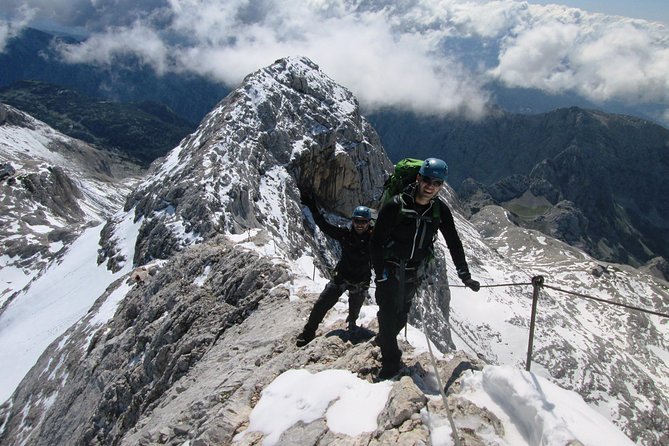
This is a small group trip, with a maximum of four travelers. That can feel like a luxury on a mountain where space and attention matter. With fewer people, your guide can explain technique clearly, watch your movement, and correct issues before they become problems.
In one standout moment from the experience’s guide team, the names Matej and Rok show up as professional leaders who manage risk well. That lines up with what you want in a via ferrata climb. You want someone who treats safety as active work, not just a lecture at the start. In practice, that means you get instruction at the right time, gear checks that make sense, and pacing that keeps you focused.
For you as a solo traveler, this is also a helpful format. It is not a huge tour where you disappear into the crowd. You get structure without needing a private guide.
What’s Included, What You Pay For, and Real Value at $438.51
The price is $438.51 per person for a two-day experience in a guided group. Let’s talk value in a way that helps you decide.
Included:
- Group equipment: rope, harness, and helmet
- Transportation from the meeting point to the start of the trip
Not included:
- Accommodation at Triglavski dom, about 65 EUR per person with half-board
- Meals (breakfast, lunch, dinner)
So what are you actually buying with that $438.51? You are paying for guided climbing to the summit, plus the safety-critical equipment, plus transport from Bled. If you have ever tried to assemble via ferrata gear on your own, you know it is not just about cost. It is about correct fit, correct setup, and correct use on the route.
The biggest value driver here is that the gear is included. For beginners, that reduces friction a lot. You do not need to figure out whether the harness fits right or whether the rope setup matches the route style. And that safety confidence pays dividends on both days.
The trade-off is hut and meals. You should budget extra for Triglavski dom and plan your food strategy. The trip description also asks you to bring snacks, which is a good sign that day climbing will involve frequent fueling stops.
If you are comparing against private options, the group structure can be a money saver without losing the essential guide presence that via ferrata demands. If you are comparing against cheaper hikes, this is priced higher because it includes climb-focused equipment and a real guided summit attempt.
More Triglav National Park days worth a look:
Logistics in Bled: Meeting Point, Start Time, and Staying Simple
The meeting point is Prešernova cesta 68, 4260 Bled, Slovenia, starting at 8:00 am. The activity ends back at that same meeting point. That means you do not need to plan a separate pickup or last-day transport, which matters when you are dealing with early alpine schedules.
The trip also notes that the start area is near public transportation. That is a plus if you are staying in Bled without a rental car. And since transportation to the start of the trip is included, you spend your energy on the climb, not on logistics.
Group size is small, max 4 travelers, so you can expect a more coordinated start. That helps when you are gearing up, doing equipment checks, and trying to match your pace to the group.
Gear Checklist That Keeps You Comfortable, Not Just Safe
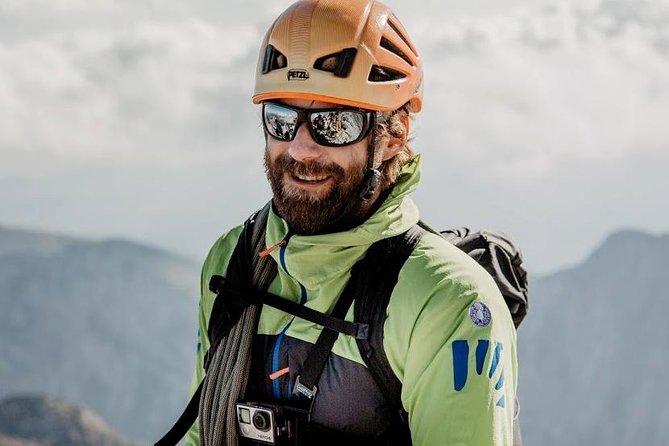
The essentials you should bring are clearly spelled out, and you should treat them as non-negotiable for a two-day mountain plan. Mountaineering boots are a must. In this kind of climb, ordinary shoes can turn fatigue and slipping risk into a bad day.
Bring warm clothing like fleece, plus a waterproof jacket and waterproof trousers. Gloves matter. Hat, sunglasses, and sunscreen matter. Mountain sun can be intense, even when you feel cool.
Other practical items that help a lot:
- Poles, if you use them comfortably
- A 30 L backpack
- A water bottle and snacks
The good news is that helmet, harness, and rope are provided. So the heavy climbing gear load is lighter for you. Still, you should arrive ready to move, in layered clothing you can adjust during stops.
Who This Triglav Climb Really Suits (And Who Should Rethink It)
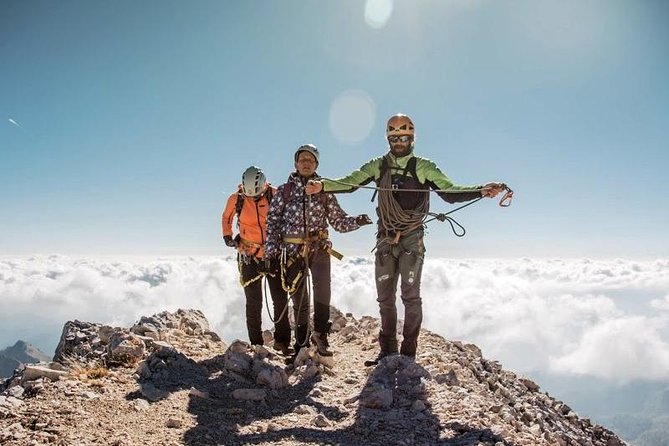
This experience fits best if you are:
- A beginner mountaineer or new to via ferrata style routes
- Willing to climb for hours over two days
- Comfortable with a moderate physical fitness level
- Traveling solo and wanting a guided small group plan
- Open to the fact that hut lodging and meals are extra
It is not ideal if you:
- Are looking for a gentle walk with no technical sections
- Hate being outdoors for long periods in changing conditions
- Are not ready to carry your own basic supplies, like water and snacks
If your goal is to stand on Slovenia’s highest point without jumping straight into a complicated private alpine operation, this is a strong match.
Should You Book This Mount Triglav Summit Trip?
I would book this if you want a guided, beginner-friendly route to a real summit, with the hard via ferrata section built into a structured two-day plan. The inclusion of safety gear (rope, harness, helmet) and transportation out of Bled are real value, especially if you do not already own via ferrata equipment.
I would think twice if you do not want to add hut lodging and meals to the budget, because that is a meaningful extra cost for a 2-day climb. Also be honest about day one effort. 5 to 7 hours of climbing is not a warm-up. It is part of the deal.
FAQ
What time does the Mount Triglav climb start in Bled?
The meeting time is 8:00 am at Prešernova cesta 68, 4260 Bled.
Where is the meeting point and where does the trip end?
You meet at Prešernova cesta 68, 4260 Bled, Slovenia, and the activity ends back at that same meeting point.
Is the climbing experience beginner-friendly?
Yes. The climb uses the easiest route to the summit, the Krma Valley route, and it is described as a great experience for beginner mountaineers, with the note that you should have a moderate physical fitness level.
What equipment is included and what should I bring?
Included gear is helmet, harness, and rope (group equipment). You should bring mountaineering boots, warm clothing such as fleece, waterproof jacket and trousers, gloves, hat, sunglasses, sunscreen, poles, a 30 L backpack, and a water bottle plus snacks.
Is accommodation and food included?
No. Accommodation at Triglavski dom and meals are not included. Half-board at the hut is around 65 EUR per person.
How many people are in the group?
This activity has a maximum of 4 travelers.
What happens if poor weather cancels the trip?
This experience requires good weather. If it is canceled due to poor weather, you will be offered a different date or a full refund.
The newest Bled outings
- Ljubljana: Krvavec Night Sledding Adventure★ 5.0 · 1 review
- Bled: Orange Wine Tasting with Sommelier★ 5.0 · 1 review
- Mount Triglav Winter Climb★ 5.0 · 1 review
- Winter Triglav National Park Adventure – Full day trip from Bled★ 5.0 · 1 review
- Kranjska Gora, Bovec, Bohinj: Adventure Trip from Bled★ 5.0 · 1 review
- Bled: Rafting and Zipline Tour★ 5.0 · 1 review
- Vintgar gorge e-bike trip self-guided★ 5.0 · 1 review
Triglav National Park Alpine Days, compared.
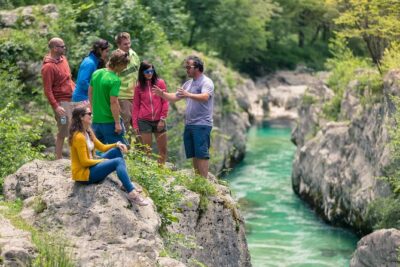
Triglav National Park : The Original Emerald River Adventure
Read our review →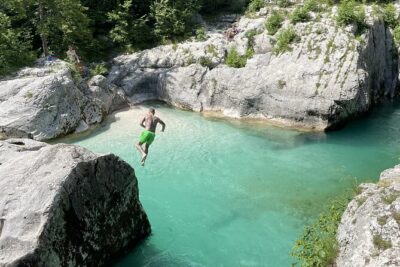
Full-Day Triglav National Park Tour from Ljubljana
Read our review →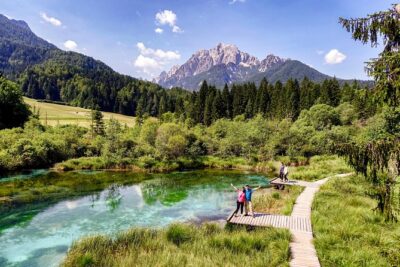
7 Alpine Wonders- Day Tour Bled, Soca valley, Slovenia
Read our review →
Canyoning Bled Slovenia Triglav National Park Tour with Photos
Read our review →
Lake Bled & Triglav National Park Full-Day Trip
Read our review →
Browse the lists this tour appears in