
Review · TRIGLAV NATIONAL PARK ALPINE DAYS
Triglav winter edition
Two days, one winter summit, real grit. This winter edition of Triglav turns Bled into your basecamp and then sends you up into the Julian Alps with snowshoes or crampons ready when conditions demand it. What I like most is the steady, confidence-building guidance from an IFMGA mountain guide, and the chance to do the whole mission in a small group with real focus on safety and pacing.
One thing to consider up front: this is a serious winter climb. You’re expected to reach high altitude on the first day, and the guide will do a physical and psychological check before you go, so it’s not the trip for casual fitness.
In This Review
- Quick hits before you go
- Why Winter Triglav Feels Different From Summer Hikes
- From Bled To Krma Valley: Meeting Point, Transport, and Timing
- Krma Valley Hike to Kredarica Hut: Snow Travel for Real Conditions
- Triglavski Dom na Kredarici: Overnight at the Highest Winter Hut
- Second Day Summit Push: A 2-Hour Ascent and a Quick Photo Pause
- Gear, Safety, and Why the IFMGA Guide Changes Everything
- Pace, Small Group Attention, and What Sticks With You
- Price and Value: Is $674.30 Worth It for Winter Triglav?
- Who Should Book This Winter Triglav Edition
- Should You Book Triglav Winter Edition?
- FAQ
- What time does the Triglav winter tour start?
- Where does the tour take place?
- How long is the trip?
- Is food included?
- Is the hut stay included?
- What winter equipment do I need?
- What fitness level do I need?
- How big is the group?
- What is the cancellation policy?
Quick hits before you go
- Small-group feel (max 2 travelers): more attention, more time to adjust to snow and pace.
- Day 1 is long and high: about 6 hours hiking to reach Triglavski dom na Kredarici.
- Gear is included for winter movement: you’ll use essential winter mountaineering equipment, often snowshoes or crampons.
- Overnight at the hut, not a hotel: limited comforts, but you wake up close to the summit push.
- Top day is shorter but intense: the ascent to Triglav is about 2 hours depending on conditions.
Why Winter Triglav Feels Different From Summer Hikes
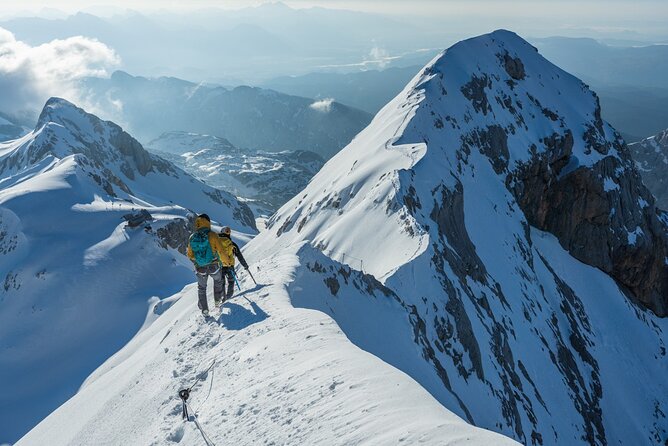
Summer Triglav is for hikers with day-trips energy. Winter Triglav is for people who like their mountains quiet, their skies sharper, and their planning more strict. You trade the usual trail bustle for snow travel, changing visibility, and a bigger respect for weather.
I also like that this trip doesn’t pretend winter is easy. It gives you a clear two-day rhythm. Day 1 is about getting up safely to the highest hut in the Julian Alps, and Day 2 is about a focused push to the summit and then coming back down with your legs intact.
More Triglav National Park days worth a look:
- Triglav National Park : The Original Emerald River Adventure
★ 5.0 · 270 reviews - 7 Alpine Wonders- Day Tour Bled, Soca valley, Slovenia
★ 5.0 · 136 reviews - Day Trip in Triglav National Park from Bled
★ 5.0 · 130 reviews
From Bled To Krma Valley: Meeting Point, Transport, and Timing
You meet in Bled at 8:00 am. The tour starts with a short meeting and setup, then you head out by car from the Bled area to the trail starting point in Krma Valley, and you return to Bled later in the afternoon on day 2.
That transport detail matters more than it sounds. In winter, getting to the trail correctly can make the difference between starting the hike fresh versus starting it cold and stressed. Since transport is included, you don’t have to gamble with winter roads or bus schedules.
One practical note: the meeting area is near public transportation. So even if you’re arriving in Bled by bus or train, you should be able to connect easily to the morning start.
Krma Valley Hike to Kredarica Hut: Snow Travel for Real Conditions
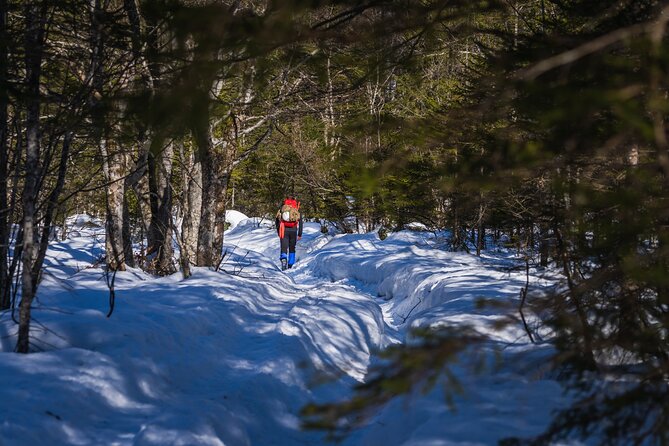
Day 1 begins in Krma with the hike to Triglavski dom na Kredarici, the highest hut in the Julian Alps. The walk is about 6 hours, but in winter, time is always conditional. Snow depth, weather, and the stability of the route can stretch or shorten the day.
This is the part where the included gear becomes the whole point. The guide provides what you need for winter movement. If snowshoes are required, you’ll use them. If crampons make more sense, you’ll use those instead. Either way, you’re not left figuring it out on your own halfway up the mountain.
Expect a steady effort, not a sprint. The goal is efficient, safe progress through snow, where footing matters as much as stamina. If you’ve never used winter traction before, you’ll still have a path built around learning and adjustment, not brute force.
Triglavski Dom na Kredarici: Overnight at the Highest Winter Hut
Reaching the hut is the turning point of the whole trip. Triglavski dom na Kredarici is known for being one of the few huts open in winter. Its long-term reason for survival is that it supports weather monitoring, so it stays relevant even when most mountain services shut down.
Inside, don’t expect hotel comforts. Utilities are limited. What you can count on is practical mountain shelter, plus a warm meal and drink during your stay. Accommodation in the hut is not included in the tour price, so plan for that extra cost if you’re budgeting tightly.
I actually think the hut night is what makes winter Triglav feel like more than a day hike. Sleeping up high means you’re not racing the summit on exhausted legs and dark trails. It also gives you time to reset, check your gear, and sleep with the mountain sitting close on the horizon.
One review detail that stuck with me: some groups were lucky enough to share the hut with a small number of people, which creates a calmer, more focused atmosphere before the summit day.
Second Day Summit Push: A 2-Hour Ascent and a Quick Photo Pause
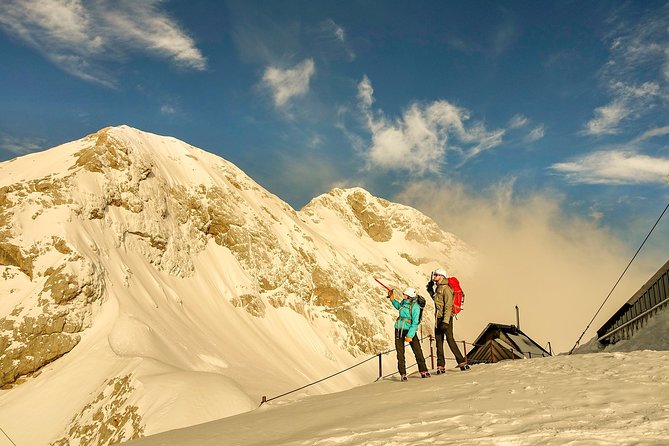
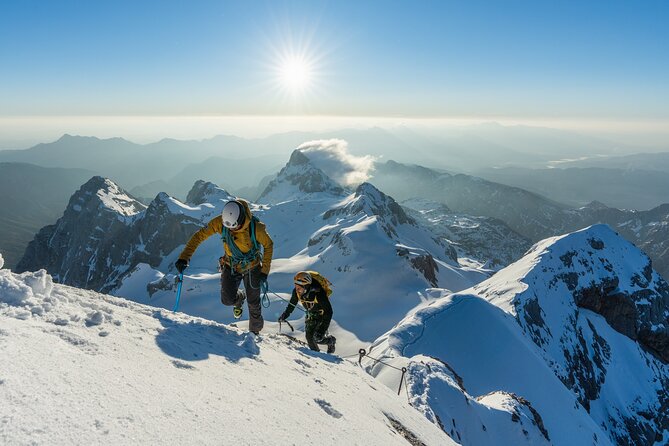
After breakfast, day 2 is all about equipment prep and then the climb. The ascent to Triglav is about 2 hours, depending on conditions. That short time window doesn’t mean it’s easy. Winter summit routes demand focus, careful foot placement, and steady breathing.
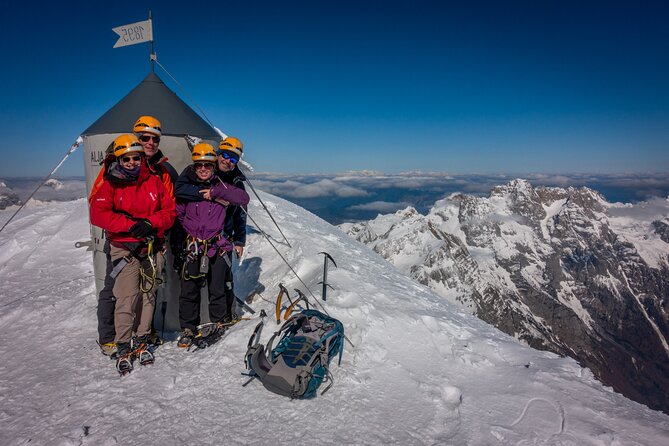
Once you reach the top, you’ll take a break for photos and views, then start descending back toward Krma Valley. You’re expected to return to Bled late afternoon, so the schedule stays tight enough that you can’t “wander.” You follow the guide’s judgment, based on weather and snow.
If you’re hoping for a classic winter sunrise moment, the good news is that the timing can align. One review mentioned an early sunrise summit experience with an additional person, Peter, joining for the ascent. It’s not something you should assume will happen every time, but it tells you that the team can coordinate for special timing when conditions allow.
More winter days near Bled worth a look:
Gear, Safety, and Why the IFMGA Guide Changes Everything
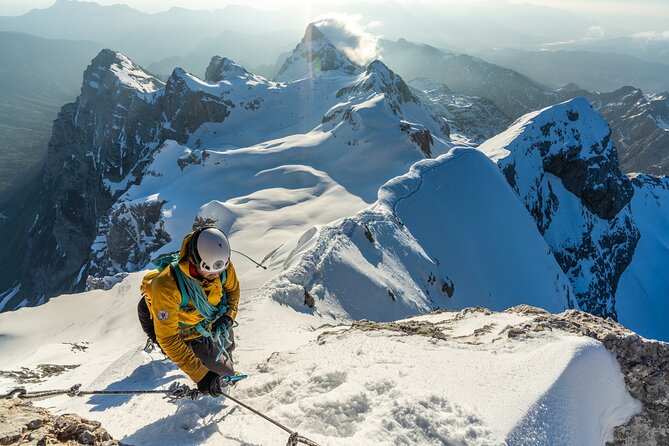
This trip includes essential winter mountaineering equipment, plus a certificated IFMGA mountain guide. That combination is the practical backbone of the tour.
Gear inclusion matters because winter safety depends on details: traction, layers, and staying warm during long stationary moments. Since equipment is provided, you’re less likely to show up underprepared. And because the guide is IFMGA certified, you’re getting decisions made by someone trained to judge mountain risk, route choice, and pacing in real conditions.
Another layer of protection is the pre-trip assessment. You should have moderate physical fitness, but the guide also checks if you’re psychologically and physically ready. In winter, that check isn’t just paperwork. It reduces the chance of someone pushing beyond safe limits simply because they want to “prove” something.
Also, photos are included. That’s a small thing until you’re tired and your hands are cold, then it becomes a big help. On summit days, photos can be the difference between remembering the view and just remembering the effort.
Pace, Small Group Attention, and What Sticks With You
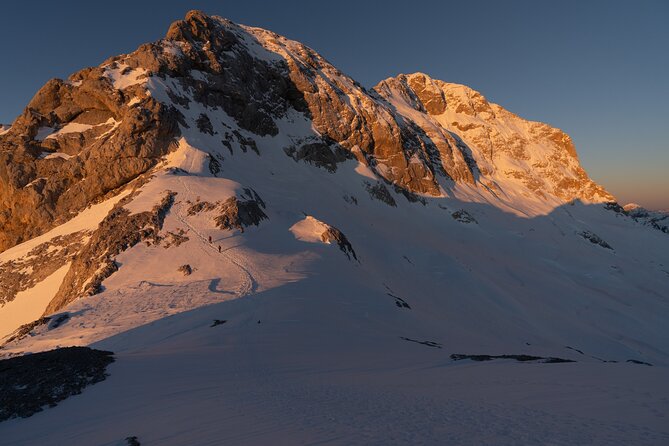
This experience is capped at 2 travelers, so it feels more like a guided climbing session than a big tour bus shuffle. That small group size helps in winter, where everyone moves at a slightly different pace and where spacing matters for safety.
From reviews, one theme comes up again and again: pacing is handled well. Guides take the time for photography stops and don’t treat the route like a stopwatch challenge. I’d expect that kind of approach to reduce stress, because you’re not constantly fighting to keep up while already cold and high.
Reviews also highlight guide style: calm, supportive, and safety-first. Many people specifically praised guides for making them feel secure while still pushing them enough to feel the accomplishment. One review even mentioned route choices that felt fun but challenging, along with technique tips that helped the climber finish more smoothly.
And yes, you should expect conversation on the way up. Stories about Slovenia and Triglav came up in feedback. In winter, when you’re moving slowly through snow, good guide chatter can keep you grounded and help pass time without losing focus.
Price and Value: Is $674.30 Worth It for Winter Triglav?
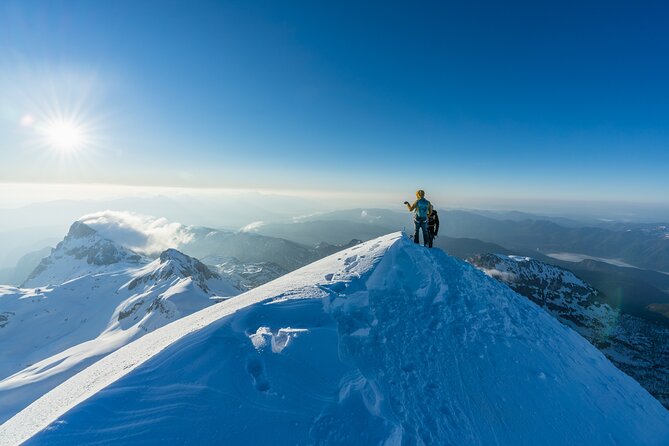
At $674.30 per person, this is not a budget day trip. But for a two-day winter climb, it’s built around real costs: a certificated IFMGA guide, included winter gear, and transportation from the Bled area to the trail starting point and back.
Where the value comes from is what you’re not paying yourself for. You’re not just buying a view. You’re buying structured winter mountaineering support, equipment you can rely on, and a plan that includes an overnight at the high hut to reduce summit-day risk.
What’s not included matters for your budget:
- food and drinks during the trip
- accommodation in the mountain hut
So the all-in cost will be higher than the headline price once you account for hut stay and meals. Still, if you’re going to do winter Triglav, skipping proper winter support is usually the most expensive mistake you can make. This tour is priced like a guided alpine commitment, not a casual hike.
Group discounts are mentioned too. Since the tour is limited to two travelers, discounts likely help if more people join your departure, but even without discount, the small-group structure is part of the pricing logic.
Who Should Book This Winter Triglav Edition
This is best for you if you:
- want a true winter mountain experience, not a stroll in snow
- have moderate fitness and can commit to a long first day to altitude
- are open to using snowshoes or crampons with guidance
- like the idea of sleeping in a high hut and doing the summit push fresh
It may not be your best match if you:
- want guaranteed comfort. The hut has limited utilities.
- prefer flexible pacing. In winter, the schedule and route decisions depend on conditions.
- are hoping to self-guide. The guide role here is core, not optional.
If you’re new to winter hiking, this can still work, because the plan is designed around winter technique and safety. Just take the pre-trip assessment seriously. It’s there to protect you.
Should You Book Triglav Winter Edition?
If you’re set on summiting Triglav in winter, I think this is a strong option. The small group size, the IFMGA guide, the included winter equipment, and the hut-based overnight structure make it feel like the trip is built for success in cold, snowy reality.
The decision hinges on one question: can you handle the intensity of a high-altitude day one? If yes, you’re likely to come away with that rare winter achievement feeling. If not, you’ll probably struggle more than you should.
FAQ
What time does the Triglav winter tour start?
It starts at 8:00 am in Bled, with the tour ending back at the meeting point.
Where does the tour take place?
The tour is based in Bled, Slovenia, and includes travel to the Krma Valley area for the hike.
How long is the trip?
It runs for about 2 days.
Is food included?
No. Food and drinks are not included.
Is the hut stay included?
No. Accommodation in the mountain hut is not included, though the hut offers a warm meal and drink during the stay.
What winter equipment do I need?
Essential winter mountaineering equipment is included. Depending on conditions, you may use snowshoes or crampons provided by the guide.
What fitness level do I need?
You should have moderate physical fitness. You also go through a physical and psychological assessment by the guide before the trip.
How big is the group?
This hiking tour has a maximum of 2 travelers.
What is the cancellation policy?
You can cancel for a full refund if you cancel up to 24 hours in advance of the experience’s start time. If you cancel less than 24 hours before, the amount paid is not refunded.
The newest Bled outings
- Ljubljana: Krvavec Night Sledding Adventure★ 5.0 · 1 review
- Bled: Orange Wine Tasting with Sommelier★ 5.0 · 1 review
- Mount Triglav Winter Climb★ 5.0 · 1 review
- Winter Triglav National Park Adventure – Full day trip from Bled★ 5.0 · 1 review
- Bled: Rafting and Zipline Tour★ 5.0 · 1 review
- Kranjska Gora, Bovec, Bohinj: Adventure Trip from Bled★ 5.0 · 1 review
- Vintgar gorge e-bike trip self-guided★ 5.0 · 1 review
Triglav National Park Alpine Days, compared.
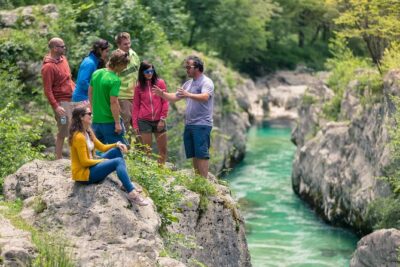
Triglav National Park : The Original Emerald River Adventure
Read our review →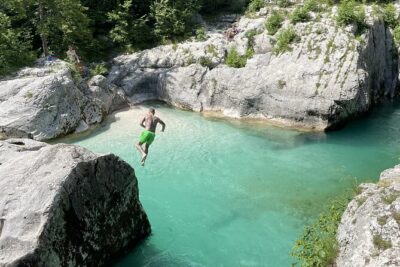
Full-Day Triglav National Park Tour from Ljubljana
Read our review →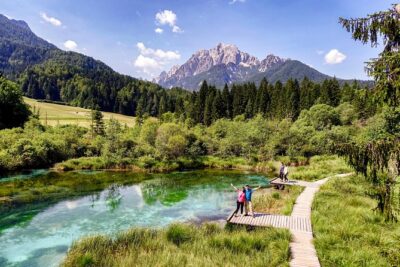
7 Alpine Wonders- Day Tour Bled, Soca valley, Slovenia
Read our review →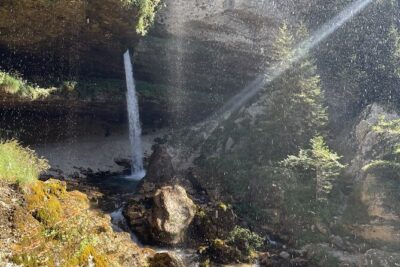
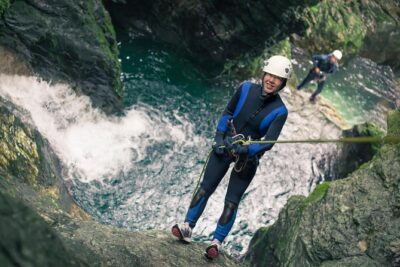
Canyoning Bled Slovenia Triglav National Park Tour with Photos
Read our review →
Lake Bled & Triglav National Park Full-Day Trip
Read our review →
Browse the lists this tour appears in