
Review · SLOVENIAN VIA FERRATA ROUTES
Via Ferrata for Beginners a Step by Step Course in Mojstrana
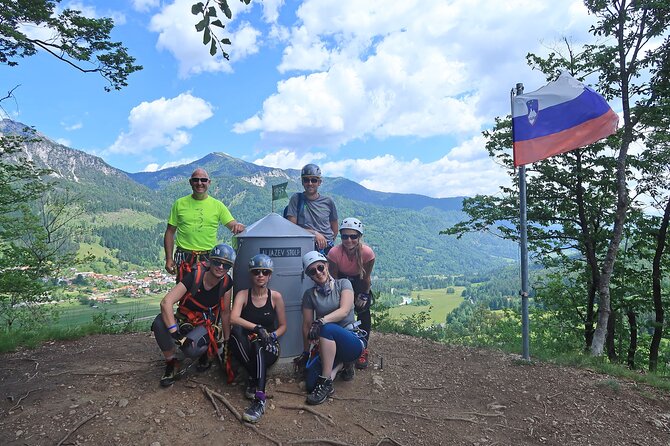
Via ferrata in the mountains can feel intimidating. This beginner course in Mojstrana makes it practical, with hands-on coaching and built-in safety habits. I especially like the way you learn the via ferrata system, harness, and helmet before you head onto the rocks. The main drawback to plan for is that it’s a full day, around 6 hours, and it depends on good weather.
If you want a first taste of exposed climbing without guessing, this is a strong way to start. You’ll work through key basics like tying knots and using the umbilical cord correctly, then you’ll practice on two Mojstrana routes: Aljaževa pot (B difficulty) and Pot Mojstranških Veveric (C/D difficulty). With a max group size of 6, you should get enough attention, but you still need a moderate fitness level.
In This Review
- Key highlights (what makes this course worth your day)
- Why Mojstrana via ferrata is a smart first climb
- The first steps: equipment, harness checks, and knot skills
- Aljaževa pot (B difficulty): where technique beats nerves
- Pot Mojstranških Veveric (C/D difficulty): stepping up the challenge
- Why the coaching style matters on a course like this
- The views and the “I did it” moment
- Price and what you actually get for $307.70
- Getting the most out of your 6 hours
- Weather matters more than you think
- Should you book this beginner via ferrata course in Mojstrana?
- FAQ
- Do I need climbing experience for this via ferrata course?
- What routes do beginners climb in Mojstrana?
- How long does the course last?
- Is the equipment provided?
- What physical fitness level is required?
- Where do we meet, and where does it end?
- What happens if the weather is bad?
Key highlights (what makes this course worth your day)
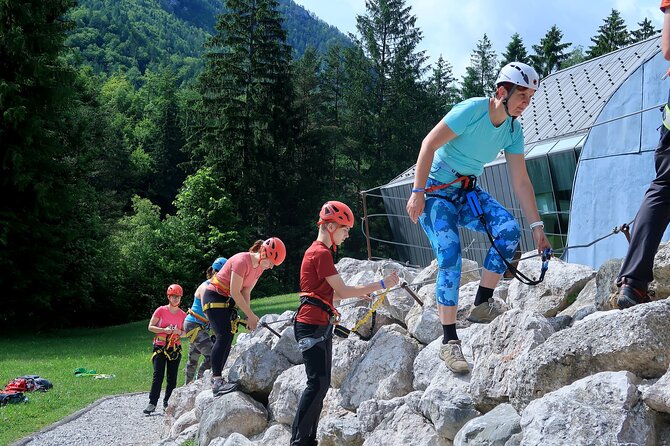
- Gear taught, not handed over: harness, helmet, via ferrata system, and via ferrata gloves are all included and explained.
- Two route types for real progression: start on Aljaževa pot (B), then step up to Pot Mojstranških Veveric (C/D).
- Small group size: up to 6 people means quicker feedback while you learn technique.
- Safety skills you can reuse: tying knots, correct clipping, and safe movement through harder sections.
- English instruction plus certified guiding: you climb with a guide who keeps things controlled and understandable.
Why Mojstrana via ferrata is a smart first climb
Mojstrana is a good place to learn because the course is designed around teaching, not just “put on the gear and go.” Your day is structured so you build confidence in layers. First you understand the equipment. Then you learn how to clip in. After that, you practice on route sections where the difficulty is real, but the intent stays beginner-friendly.
The best part is how the training focuses on fundamentals that actually keep you safe when the rock gets vertical. You’re not memorizing rules. You’re learning motions: how to move your body on the cable, how to stay positioned, and how to stay calm when a section feels steeper than expected.
This is especially helpful if you’ve never climbed anything like this. Via ferrata has a unique rhythm. You’re always managing the cable system and your body at the same time. A good guide makes that rhythm feel normal.
More via ferrata routes worth a look:
- Quick Vertical Attraction – Via Ferrata Mojstrana
★ 5.0 · 27 reviews - Via ferrata Triglav fairytale route
★ 5.0 · 25 reviews - Bled: Fairytale Via Ferrata Route
★ 5.0 · 4 reviews
The first steps: equipment, harness checks, and knot skills
Your course begins at Savska cesta 1, 4281 Mojstrana, and it ends back at the same spot. The meeting point matters because it keeps things simple, and it’s also near public transportation. When a course is this gear-heavy, fewer complicated transfers at the start means you start the day with less stress.
Early on, you’ll go through how to use the key safety gear properly. That includes:
- A climbing harness
- A helmet
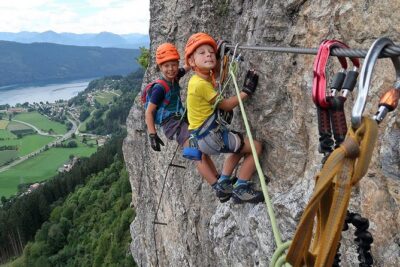
- A via ferrata system with a screw carabiner and an infinitive loop
- Via ferrata gloves
But the more important part is that you learn how to use those items in the exact way via ferrata requires. You’ll practice tying knots and the correct handling of the umbilical cord. These are not “nice to have” skills. They are the small details that prevent mistakes later when you’re focused on the next move.
I like this teaching approach because it’s the difference between confidence and adrenaline. When you understand what every strap and connector is doing, you can concentrate on your feet and body position. That is how you avoid panic, especially if you feel your muscles tire.
Aljaževa pot (B difficulty): where technique beats nerves
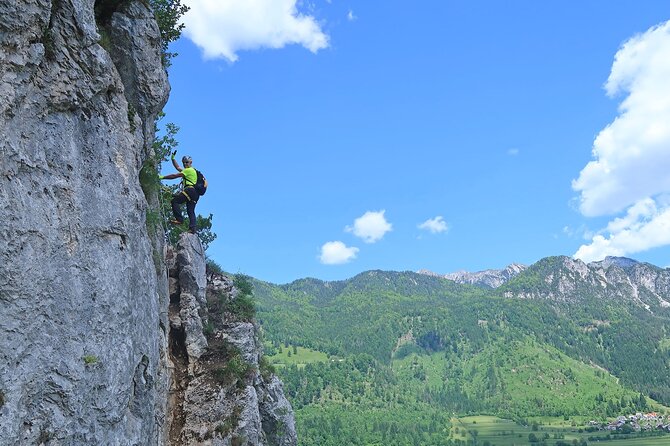
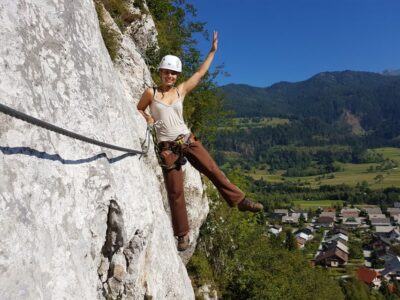
Once you’ve learned the basics, you’ll get onto Aljaževa pot, rated B difficulty. Think of this stage as your confidence-building climb. B difficulty is not a toy, but it’s where beginners can learn good habits without getting lost in constant decision-making.
On this part of the course, your guide will coach your movement through sections that feel more exposed than a hiking path. You’ll practice staying stable, using the cable safely, and keeping your body in a position that reduces slip risk. The goal is not speed. It’s control.
What you should watch for as you climb is fatigue. Even at beginner level, via ferrata can work your arms and legs differently than you expect. Keeping the right rhythm early helps your later sections feel manageable.
Also, because this is a beginner course, you’re being taught how to handle the cable system while moving through varied sections. If you’ve never done it before, that coordination can take a few tries, and a guide’s job is to make sure you’re building correct habits from the first day.
Pot Mojstranških Veveric (C/D difficulty): stepping up the challenge
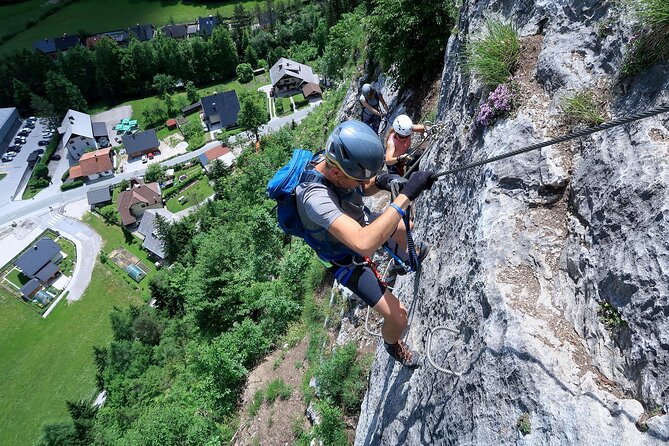
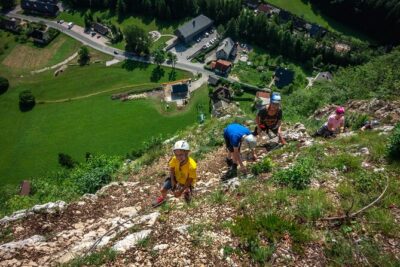
After Aljaževa pot, you step up to Pot Mojstranških Veveric, rated C/D difficulty. This is where many first-timers feel the difference. C/D is a noticeable rise in commitment, and it’s not only about strength. It’s about technique, positioning, and keeping your mind from spiraling when a move feels harder than expected.
This is where the earlier basics pay off. When you’ve practiced clipping and understand how the umbilical cord works, you’re less likely to freeze. You can focus on what you’re doing right now, instead of second-guessing your gear.
One story that makes this feel real is how instructors can adjust plans based on the group. For example, Igor has guided families by choosing the Mojstrana via ferrata option instead of Hvadnik when kids’ height required it. That’s a practical reminder: good guiding is responsive, not rigid.
In other words, the C/D rating tells you the rock is more demanding, but the day is still guided. Your guide should keep spacing between climbers appropriate and correct technique at the center.
Why the coaching style matters on a course like this
In via ferrata, safety is not only the gear. It’s how you use it under pressure. That’s why instructor style shows up in the details.
I like that this course is run by certified guides and kept to small groups, max 6 people. That small size creates room for real corrections. You’re less likely to “figure it out later,” and more likely to get a quick fix before a wrong habit becomes muscle memory.
You can also benefit from the calm, organized tone instructors bring. Marko, for instance, has been described as friendly and organized, with a laid-back pace that still feels controlled. Gregor Kofler has also been praised for planning positions carefully and keeping distance so climbers can move without crowding each other.
And if something does go sideways, the best instructors do not create panic. Grega was described as staying calm and using a safety rope to help a participant continue after fear and cramping started mid-route. Even if you never need that kind of rescue, it tells you what kind of guide you’re likely to have: someone who can manage both safety and emotions.
More Lake Bled tours and day trips worth a look:
The views and the “I did it” moment
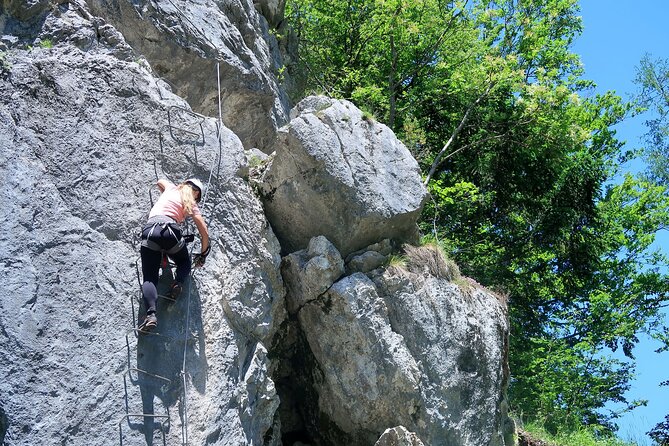
Yes, you’ll get big mountain views. But the real value of the viewpoint moments is what they do for your body and mind. When you pause, take a breath, and look out, your brain stops treating the climb as a threat and starts treating it as progress.
That’s part of the accomplishment you’re paying for. Via ferrata creates a unique sense of achievement because you’re physically doing it, not just watching. And because this course teaches you how to move safely through harder sections, your “finished” feeling is about skill gained, not luck.
There’s also an underrated benefit: you learn what level of exertion feels right for you. Beginners often leave their first course thinking, I can handle more than I expected. Or they leave thinking, I need to build a bit more strength. Either result helps you plan your next climb.
Price and what you actually get for $307.70
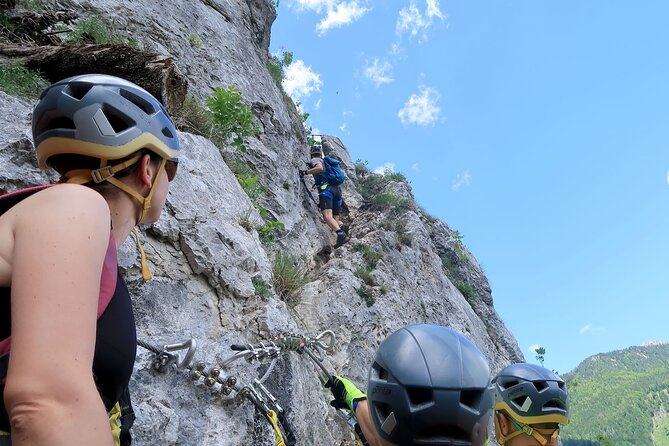
At $307.70 per person for about 6 hours, it can look pricey at first glance. But look at what’s included.
You get technical gear: via ferrata system, harness, helmet, cord, plus via ferrata gloves. You’re not renting random equipment that may or may not fit well. The course also includes a certified guide, plus a gift. There’s even transfer support if you go to a next village, which matters because some via ferrata areas require travel, and you don’t want to manage that while you’re learning a new sport.
You’ll also see the value in small details like group discounts and a mobile ticket. Group discounts mean you are not paying full private-course pricing if you’re placed with a small group. A mobile ticket reduces friction on the day.
The main cost consideration is what’s not included: brunch. If you’re the type who gets hungry and then gets grumpy, bring a strategy. Pack snacks if that’s allowed by the local routine, or plan to eat before you meet.
Getting the most out of your 6 hours
This is a full-day activity, so how you prepare changes your comfort level.
Since the course calls for moderate physical fitness, you don’t need to be an athlete, but you should be ready for effort. Via ferrata uses your grip, shoulders, core, and legs. If you’ve done some hiking and you can handle stairs or a steep trail, you’re likely in the right zone.
Also, think about timing. The activity runs daily with opening hours from 8:00 AM to 7:00 PM. You’ll likely want to choose a slot that leaves you time for a relaxed evening after. After a via ferrata day, your muscles often remember it.
What I like about the schedule is that you learn first, then climb. That sequencing keeps the day from feeling chaotic. You’re building from one skill to the next until it clicks.
Weather matters more than you think
The course requires good weather. Via ferrata is on metal cable and rock, and conditions change grip and safety. If the weather is poor, the operator should offer a different date or a full refund. That’s the right approach because it respects safety and keeps you from showing up to a day that’s not climbable.
If you’re planning your visit around Bled and the surrounding area, keep one flexible day in your schedule so this doesn’t become a crunch decision.
Should you book this beginner via ferrata course in Mojstrana?
I think this is a great booking if you want a beginner-focused start with real coaching. You’re getting gear included, instruction in knots and clipping, and practice on Aljaževa pot (B) and Pot Mojstranških Veveric (C/D). The small group size and certified guiding are a big deal for first-timers who want confidence without guesswork.
Skip it or delay if you know you can’t handle a full 6 hours of physical effort, or if you hate the idea of outdoor plans that depend on weather. Also plan for food since brunch is not included.
If you’re ready to learn a skill you can take further, this course is a smart first step in Slovenia’s via ferrata world.
FAQ
Do I need climbing experience for this via ferrata course?
No experience is required for the beginner course. You’ll learn the basics first, including how to use the harness, helmet, via ferrata system, and how to tie knots and use the umbilical cord.
What routes do beginners climb in Mojstrana?
The course includes practice on two Mojstrana via ferratas: Aljaževa pot (B difficulty) and Pot Mojstranških Veveric (C/D difficulty).
How long does the course last?
It’s listed as about 6 hours.
Is the equipment provided?
Yes. The course includes the technical via ferrata equipment, including a via ferrata system, climbing harness, helmet, cord (screw carabiner and an infinitive loop), and via ferrata gloves.
What physical fitness level is required?
You should have a moderate physical fitness level.
Where do we meet, and where does it end?
You meet at Savska cesta 1, 4281 Mojstrana, Slovenia, and the activity ends back at the same meeting point.
What happens if the weather is bad?
This activity requires good weather. If it’s canceled due to poor weather, you’ll be offered a different date or a full refund.
The newest Bled outings
- Ljubljana: Krvavec Night Sledding Adventure★ 5.0 · 1 review
- Bled: Orange Wine Tasting with Sommelier★ 5.0 · 1 review
- Mount Triglav Winter Climb★ 5.0 · 1 review
- Winter Triglav National Park Adventure – Full day trip from Bled★ 5.0 · 1 review
- Kranjska Gora, Bovec, Bohinj: Adventure Trip from Bled★ 5.0 · 1 review
- Bled: Rafting and Zipline Tour★ 5.0 · 1 review
- Vintgar gorge e-bike trip self-guided★ 5.0 · 1 review
Slovenian Via Ferrata Routes, compared.
Quick Vertical Attraction – Via Ferrata Mojstrana
Read our review →
Rent Via Ferrata Sets and Mountaineering Equipment
Read our review →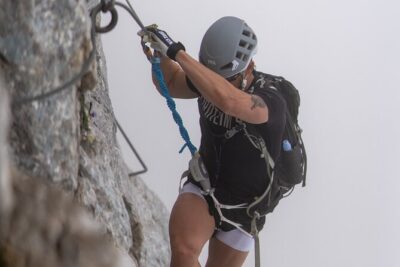
Browse the lists this tour appears in