
Review · LJUBLJANA TOURS & EXPERIENCES
Coffee Sensory Training in Ljubljana
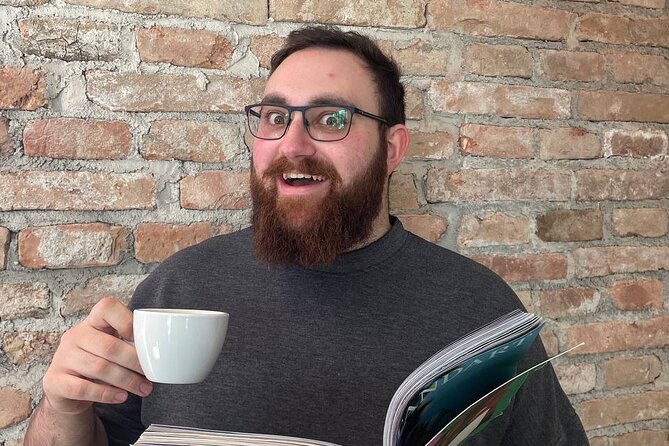
Slurping, but make it scientific. This coffee sensory training in Ljubljana helps you sharpen how you taste and smell coffee, working toward the CSP Sensory Skills Foundation certificate. I like that it is both theoretical and practical, and I like that you get expert coaching from Lev, the instructor who makes the whole process feel approachable.
One consideration: the day includes a lot of tasting volume. Even with guidance to spit, if you are caffeine sensitive or prone to getting dizzy, this may feel intense.
In This Review
- Key things you will notice fast
- Coffee sensory training in Ljubljana: why this feels different
- The CSP Sensory Skills Foundation: what you are aiming for
- Your 10:00 start at Dunajska c. 61, and how the day flows
- Taste training: calibrating sweet, sour, bitter, and more
- Aroma training: learning what you smell in coffee
- Practical and theoretical exam: how you prove your sensory skills
- Coffee volume and the one catch: plan for lots of tasting
- Included treats: what you get during the 7 hours
- Price and value: is $355.04 per person worth it?
- Who this course suits best in Ljubljana
- Should you book Coffee Sensory Training in Ljubljana?
- FAQ
- How long is Coffee Sensory Training in Ljubljana?
- What time does the tour start, and where do we meet?
- Is the training offered in English?
- Is this a private experience?
- What’s included during the 7 hours?
- Is lunch included?
- Are there age limits?
- How much does it cost?
- Is free cancellation available?
Key things you will notice fast
- Structured taste calibration for basic tastes, so your palate is less guessy
- Aroma identification practice that trains you to name what you smell, not just like it
- Hands-on sensory testing to spot subtle nuance in flavor and aroma profiles
- A theoretical and practical exam tied to the CSP Sensory Skills Foundation
- A friendly, small-group vibe with time to ask questions of Lev
- Coffee and tea included, plus water and snacks (no lunch)
Coffee sensory training in Ljubljana: why this feels different
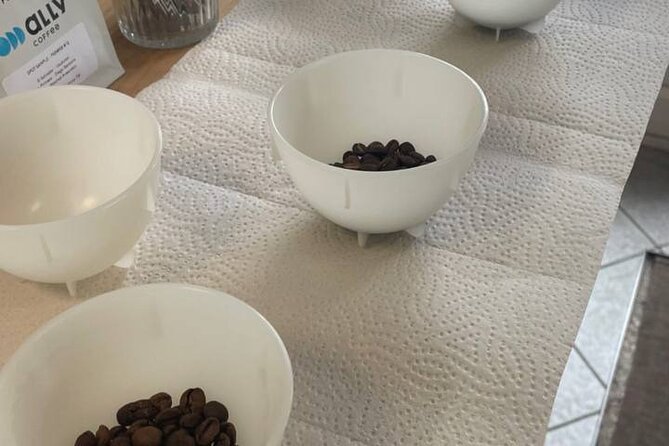
Coffee tasting can be fun, but most of it is random. This course turns it into a skill you can repeat. You learn how to evaluate coffee with your senses, then you practice until your impressions become more consistent.
What I like for you is the mix of science and comfort. You start with foundations like basic tastes and perception calibration, then you move into aromas you can actually point to. That means your coffee conversations get smarter, faster, and less like guesswork.
It also matters that the whole session is designed around an internationally recognized Specialty Coffee Certificate path. You are not just sampling drinks. You are training your senses and then proving what you can do with a theoretical and practical exam.
The vibe tends to be friendly, too. The instructor, Lev, is known for being both expert and ready with answers. If you want a day where you can ask questions without feeling silly, this format is built for that.
A few more Ljubljana outings to line up
- 2-Hour Specialty Coffee tasting in Ljubljana
★ 5.0 · 12 reviews - Coffee Tasting Experience
★ 5.0 · 4 reviews - Introduction to the Specialty Coffee world in Ljubljana
★ 5.0 · 3 reviews
The CSP Sensory Skills Foundation: what you are aiming for
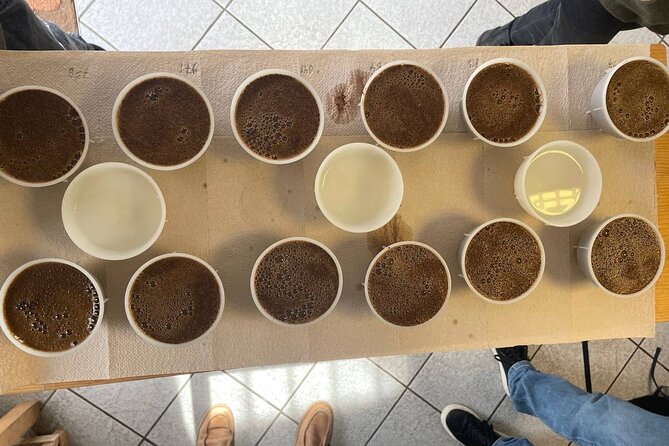
The course is built to help you work toward the Specialty Coffee Certificate CSP Sensory Skills Foundation. That is the core carrot for people who want more than casual tasting.
In plain terms, this certificate path pushes you to:
- Calibrate your perception of basic tastes
- Learn which aromas show up in coffee
- Train your ability to detect subtle nuances in taste and aroma
That last part is the big deal. Most coffee lovers can tell when coffee is good. Fewer people can explain why in a useful way. This training helps you get from I like it to I notice, I recognize, I can describe.
And because there is both a theoretical and practical exam, you are not only relying on vibes. You get a structured way to demonstrate what you learned. That is a big part of the value if you care about real sensory evaluation, whether for personal skill or for work in specialty coffee.
If your goal is to become a more confident taster, the certificate framework helps keep the day focused. If your goal is just to drink great coffee and hang out, you may still enjoy it, but you should expect a training day, not a sightseeing stroll.
Your 10:00 start at Dunajska c. 61, and how the day flows
The training starts at 10:00 am at Dunajska c. 61, Ljubljana. It ends back at the meeting point, so you are not trying to navigate the city after your brain is full of aroma notes.
The session runs about 7 hours. That length matters because sensory training is not a quick hit. Your senses need time to reset and compare. You also need enough repetition to start separating what you taste from what you expect to taste.
This is also a private activity. That is a practical win. Only your group participates, so you are not pushed into a rigid crowd rhythm. If you come as a couple, a coffee team, or a small circle of friends, it can feel like a tailored workshop even though it is a formal course.
Language is English, so you can follow the sensory concepts and the exam process without guesswork. Also, the meeting point is near public transportation, so you can arrive without stressing about parking.
And one more practical note: there is no lunch included. Coffee and snacks are part of the day, and you get bottled water, but you should plan your food timing. A light breakfast helps your comfort, and it keeps you from feeling sluggish during the tasting practice.
Taste training: calibrating sweet, sour, bitter, and more
One of the course foundations is calibrating your perception of basic tastes. This sounds simple, but it is not automatic. People tend to read coffee through a single label like strong, smooth, or chocolatey. Calibration teaches you to separate sweetness from acidity, and bitterness from roastiness.
In practice, you learn to evaluate coffee based on sensory cues, not just preference. You are training accuracy. That is the difference between tasting for fun and tasting for evaluation.
You also find out which aromas can be found in coffee, which ties directly to taste. Many flavors that feel like taste are actually aroma. So once you train both systems together, your descriptions become more precise.
The best part for you is that this approach can transfer outside the course. After you have calibrated your palate, you start noticing how different beans, processing methods, and roast levels shift the balance. Even if you are not buying technical equipment, you can still taste with more intention.
If you already love coffee but feel like your palate is inconsistent day to day, this type of calibration can help. You learn a repeatable method, which makes your own tasting more confident.
Aroma training: learning what you smell in coffee
Coffee aroma training is where many people get surprised. You might think you smell chocolate, nuts, or fruit. The training pushes you to identify aromas more systematically, instead of grabbing the first pleasant word that comes to mind.
The course is designed to help you distinguish subtle nuances in the coffee taste and aroma profile. That means you practice noticing small changes rather than only big differences.
A useful way to think about it: aroma is a skill of attention. The training teaches you where to focus your senses and how to compare cups in a way that makes your judgment less emotional.
It also helps that the day includes coffee and or tea, plus water and snacks. You get enough refresh that you can keep tasting without burning out instantly. Water is especially important during aroma work because your palate and nose need to reset between samples.
If you are the kind of person who likes identifying things in your world, you will likely enjoy this part. It feels like learning a new vocabulary for smell.
More Ljubljana tours and day trips worth a look:
Practical and theoretical exam: how you prove your sensory skills
The course includes a theoretical and practical exam tied to the CSP Sensory Skills Foundation certificate. You are not just given a certificate at the end of a fun session. You work through testing that checks what you learned.
The theoretical portion matters because sensory skills are not only physical. You learn how perception works, including how basic tastes and aromas show up in coffee evaluation. That knowledge keeps you from relying entirely on guesswork.
The practical portion is where you show your ability to evaluate. This is the part that turns your new vocabulary into actual performance. If you have ever wanted to be able to confidently describe coffee, this is your moment.
The instructor, Lev, is a key reason many people enjoy the course. His expertise and passion are part of why the sessions feel engaging. The friendly atmosphere also helps. When you can ask questions freely, you can correct misunderstandings early, before they stick.
Even if you do not care about the certificate, the exam structure still gives the day shape. It tells you what skills matter, and it forces practice rather than vague observation.
Coffee volume and the one catch: plan for lots of tasting
A note that is worth taking seriously: there is a lot of tasting. You may be encouraged to spit, and that helps, but it does not erase the fact that you will likely taste many cups.
Some people love this. You get a high exposure day, with lots of comparison. If you are passionate about coffee, that can feel like the best kind of problem.
But if you are sensitive to coffee or prone to feeling lightheaded, take it as a real consideration. Start with a good breakfast, take water when offered, and pace your effort in the way the instructor recommends.
The upside is that the intensity supports better learning. The sensory training depends on repetition and comparison. The downside is that your body might need a little help to handle that much stimulation.
If you know caffeine hits you hard, this is the one reason you might reconsider, or you might want to discuss comfort needs with the instructor before you begin, if that is possible in your group.
Included treats: what you get during the 7 hours
The course includes coffee and or tea, bottled water, and snacks. That is a practical bundle because sensory training needs frequent tasting, plus neutral resets like water.
Since lunch is not included, you should plan your timing carefully. You do not want to show up hungry, especially when your senses are the main focus. A light meal before the start time can save you from the tired, foggy feeling that makes aroma work harder.
Also, alcoholic beverages are not included. So expect a focused coffee day, not a late-night social.
You will also have a mobile ticket. That tends to make arrival smoother, since you can show what you need without extra paperwork hunting.
Price and value: is $355.04 per person worth it?
At $355.04 per person for about 7 hours, this is not a cheap coffee hobby. But the value is not only in the coffee you drink.
You are paying for structured sensory training plus an exam path toward the CSP Sensory Skills Foundation certificate. The course is designed to teach tasting method, aroma identification, and nuance detection, then test those skills in a theoretical and practical format.
You are also not paying separately for coffee, tea, bottled water, or snacks. Those might seem small, but in a tasting-heavy course, they matter. It keeps the day smooth, and it makes the training feel complete rather than like a menu of add-ons.
And because it is private, your group gets more direct attention and space to ask questions. That can improve the learning experience, especially for people who want guidance rather than just observation.
Is it worth it for you? If you want casual sampling, you can probably find cheaper coffee tastings in Ljubljana. But if you want a repeatable sensory skill, and you like the idea of measuring your ability with an exam and a certificate path, the price starts to make sense fast.
Think of it as a skills investment. The coffee is the medium, the training is the product.
Who this course suits best in Ljubljana
This course fits best if you match at least one of these profiles:
- You love coffee and want more than flavor hype, you want structure
- You want to learn how to describe coffee aromas and taste more accurately
- You enjoy sensory practice, like identifying small differences through smell and taste
- You might work in hospitality or specialty coffee and want a certificate framework
It also works well for a couple or a small group. Private format helps, and you are not stuck sharing your questions with strangers.
Who might not love it? If you only want light, casual coffee without training, you might find it too intense. And if you are very caffeine sensitive, the tasting volume is a factor to consider.
Should you book Coffee Sensory Training in Ljubljana?
If you want a focused, English-led training day in Ljubljana that teaches you how to taste with confidence, I think this is a strong choice. You get sensory calibration, aroma identification practice, and a certificate path with a theoretical and practical exam. The atmosphere is friendly, and the instructor Lev seems to be a big part of why the experience feels engaging and helpful.
Book it if you care about learning the craft behind the cup. Skip it if you want a relaxed, casual coffee stroll with minimal structure.
If you are on the fence because of the tasting volume, plan your body for it. Eat beforehand, use water during breaks, and follow instructor guidance about spitting. With that in mind, the day can feel like a satisfying course correction, turning your coffee curiosity into real sensory skills.
FAQ
How long is Coffee Sensory Training in Ljubljana?
It runs for about 7 hours.
What time does the tour start, and where do we meet?
It starts at 10:00 am. The meeting point is Dunajska c. 61, 1000 Ljubljana, Slovenia.
Is the training offered in English?
Yes, it is offered in English.
Is this a private experience?
Yes. Only your group will participate.
What’s included during the 7 hours?
You get coffee and/or tea, bottled water, and snacks.
Is lunch included?
No, lunch is not included.
Are there age limits?
There is no age limit for drinking coffee, but the workshops accept people over 18.
How much does it cost?
The price is $355.04 per person.
Is free cancellation available?
Yes. You can cancel up to 24 hours in advance for a full refund.
The newest Ljubljana outings
- Explore the Instaworthy Spots of Ljubljana with a Local★ 5.0 · 1 review
- Transfer from Ljubljana to Salzburg or Vice Versa★ 5.0 · 1 review
- Tito’s Socialist Ljubljana Private Tour★ 5.0 · 1 review
- Soca valley | Private trip from Ljubljana★ 5.0 · 1 review
- Soča River Valley, Kranjska Gora & Lake Jasna Day Tour★ 5.0 · 1 review
- Private Tour in Kamnik – Mammoth – Farmhouse and Organic Farm★ 5.0 · 1 review
- Photo Tour: Ljubljana City of Lights★ 5.0 · 1 review
Ljubljana Tours & Experiences, compared.
Postojna Cave & Predjama Castle Tickets and Tour
Read our review →
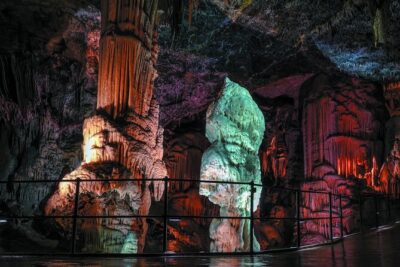
Postojna Cave and Predjama Castle – Entrance Tickets Included
Read our review →
Slovenia in One Day: Lake Bled, Postojna Cave and Predjama Castle
Read our review →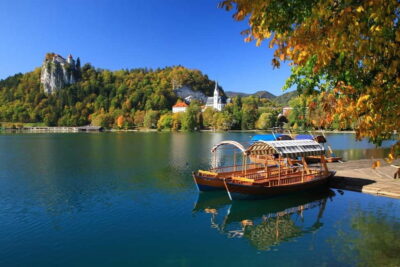
Lake Bled and Bohinj Tour with Savica Waterfall
Read our review →
Castle Entry Ticket with Optional Funicular Ride
Read our review →
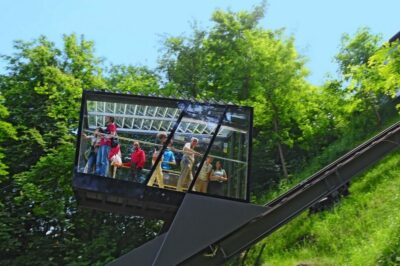
Guided Walk & Funicular Ride to Ljubljana Castle
Read our review →Browse the lists this tour appears in