
Review · PRIVATE TOURS IN LJUBLJANA
Tito’s Socialist Ljubljana Private Tour
Tito-era Ljubljana is written in buildings. On this private walking tour, I like how Yugoslavia’s legacy shows up street by street, from state power to everyday spots. You get a tight loop through the city center where the stories are tied directly to what you can see.
I especially like the fast, 2-hour format with lots of stops, so you leave with a real sense of the period without spending your whole day waiting in lines. And I love the human touch from the guide, Primoz, who is friendly and shares stories backed up with photos and other memorabilia.
One consideration: this is still a walking tour, and it needs good weather, so wear comfortable shoes and plan for an on-your-feet pace.
In This Review
- Key Things You’ll Notice on Tito’s Ljubljana Tour
- Tito’s Ljubljana Tour: What You’re Really Paying For
- Meeting Point and the Route Rhythm in the City Center
- Metalka Blagovnica and Ajdovščina: The Postmodernist Pieces of Tito’s Ljubljana
- Ljubljana Railway Station: How Rail Connected Yugoslavia
- Prešeren Square: The Local Meeting Place Angle
- Slovenian Street and NAMA Department Store: From Roman Roots to Yugoslav Names
- National Assembly Building: Yugoslavia’s Formation Through People and Dates
- Republic Square (Trg republike): Postmodernism’s Big Public Stage
- Kinodvor: Culture in Motion at an Art-House Cinema
- Nebotičnik Skyscraper: 1933 Style, Included Ticket, and City Views
- Ljubljana Opera House and Reformator Bar: From Performances to a Relaxed Break
- Bavarski dvor and Trg Osvobodilne fronte: Everyday City Energy Near Transport
- What I’d Pack, Wear, and Plan for This 2-Hour Walk
- Value Check: Is This Tito Era Tour Worth Your Time?
- Should You Book Tito’s Socialist Ljubljana Private Tour?
- FAQ
- How long is Tito’s Socialist Ljubljana Private Tour?
- How big is the group for this private tour?
- What does the tour cost?
- Is there a guide, and is it a licensed guide?
- What is included in the tour besides the guide?
- Where do we meet, and where does the tour end?
- Are admission tickets included for stops?
- What happens if the weather is bad?
- What is the cancellation policy?
Key Things You’ll Notice on Tito’s Ljubljana Tour
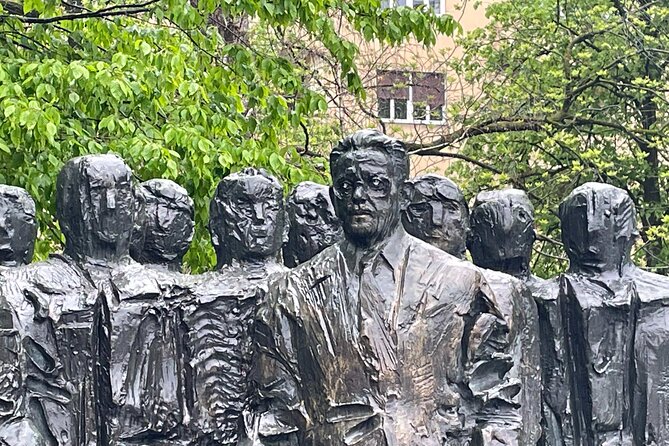
- Primoz brings the Tito era to life with photos and memorabilia
- A well-paced 2-hour route with short time at each stop
- Postmodernist public spaces like Republic Square and the Ajdovščina area
- Everyday-life stops mixed with political and cultural sites
- Nebotičnik included for a classic viewpoint experience in the former skyline icon
- Art and culture along the way, including Kinodvor and the Opera House
Tito’s Ljubljana Tour: What You’re Really Paying For
This is not a museum day. It’s a guided walk that connects big historical ideas to the places you can actually stand in and look around. The main payoff is how the tour helps you read Ljubljana like a layered timeline, where Yugoslav-era decisions shaped the city you see today.
The price, $293.34 per group (up to 10), makes more sense when you think of it as a private experience rather than a per-person ticket. If you fill the group, it can work out to about $29 per person. If it’s just two people, it’s more like $147 each. Either way, the cost buys you the guide attention and the structured route through multiple key sites.
You also get snacks included, and the guide is licensed or certified. That matters more than it sounds, because the tour’s strength is explanation. The walking part is just the vehicle for the stories.
More Private Tours in Ljubljana
- Ljubljana: Private Guided City Tour
★ 4.8 · 180 reviews - Ljubljana private walking tour with a local
★ 5.0 · 140 reviews - From Ljubljana: Triglav National Park Tour (Private)
★ 4.9 · 78 reviews
Meeting Point and the Route Rhythm in the City Center
You start at Nazorjeva ulica 2, in central Ljubljana, and you finish at Republic Square (Trg republike). The meeting spot being near public transportation helps if you’re combining this with other plans in the city.
The duration is about 2 hours, and the tour is set up as a sequence of shorter stops, with a similar time window at each location. That rhythm works well if you like variety. You’re not stuck for long periods at one building, and you can keep moving while the guide changes themes, from architecture to daily life to cultural institutions.
One practical note: because the stops are frequent and walking is continuous, I recommend planning this for a day when you’re not already running on fumes. Bring water, keep an eye on shade in summer, and remember that you’ll want your camera ready for public squares and classic buildings like Nebotičnik.
Metalka Blagovnica and Ajdovščina: The Postmodernist Pieces of Tito’s Ljubljana
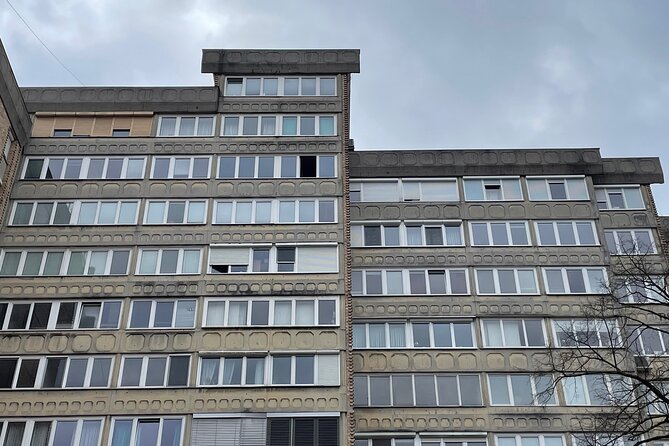
The tour opens with Metalka blagovnica, followed by the Ajdovščina area. This is where the Tito-era Ljubljana look starts to click, especially if you’ve never paid attention to postmodernist city planning before.
In Ajdovščina, you’ll see postmodernist architecture tied to the period the tour focuses on. The point isn’t just to admire style. The guide explains why those design choices mattered to public life and how the city’s visual identity formed during Yugoslav times.
If you like architectural storytelling, this early section is a good setup. You learn what to look for before the route moves toward squares, institutions, and cultural venues.
Ljubljana Railway Station: How Rail Connected Yugoslavia
Next comes Ljubljana Railway Station, and the guide’s theme here is connectivity. You’ll hear how railways shaped the city’s history and linked Yugoslavia to the rest of Europe, with implications for trade, travel, and everyday routines.
Even if you’re not a rail fanatic, this stop helps you understand why cities grow in certain directions. Stations concentrate movement. They also concentrate jobs, commerce, and urban energy.
Because this tour includes other station-adjacent material later, it helps to pay attention to how the guide frames it. You’re not just looking at a landmark, you’re learning how transport became part of the city’s role in a wider region.
Prešeren Square: The Local Meeting Place Angle
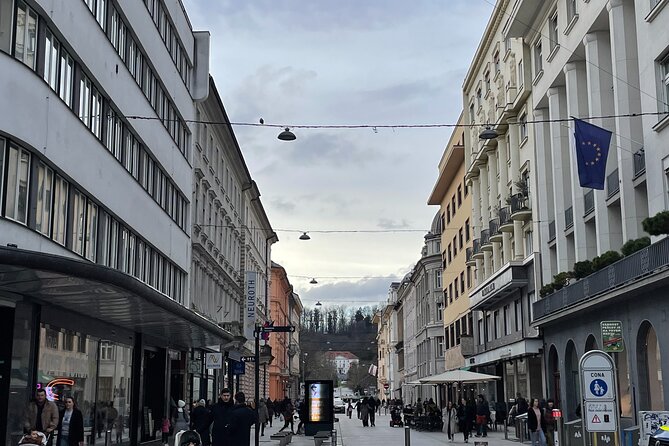
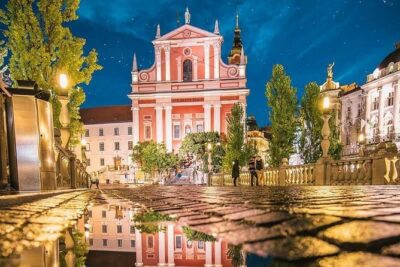
Then you’re at Prešeren Square, Ljubljana’s central square. This is the kind of spot you’ve probably seen in photos, but the value of the tour is in the explanation of the surrounding architecture and the square’s role as a meeting place for locals.
This is one of those stops where you can reset your bearings. You get a sense of scale, and you can look around at how the city’s center functions as a social space.
If you’re the type who likes history that affects how people live, this square fits nicely. It’s public space, not a sealed-off monument.
More Ljubljana tours and day trips worth a look:
Slovenian Street and NAMA Department Store: From Roman Roots to Yugoslav Names
Walking continues down Slovenian Street, described as Ljubljana’s most important street dating back to Roman times. That’s a helpful detail because it frames a key idea: Tito-era Ljubljana didn’t start from scratch. It layered on older urban DNA.
The tour also points out NAMA Department Store and connects the street’s identity to Yugoslav times, including how the street had a different name then. That kind of “what was it called and why” story is surprisingly useful later, when you’re trying to read signs, plaques, and older references in the city.
If you want one takeaway, it’s this: the guide helps you connect the big political timeline to branding and place names you can actually notice as you walk.
National Assembly Building: Yugoslavia’s Formation Through People and Dates
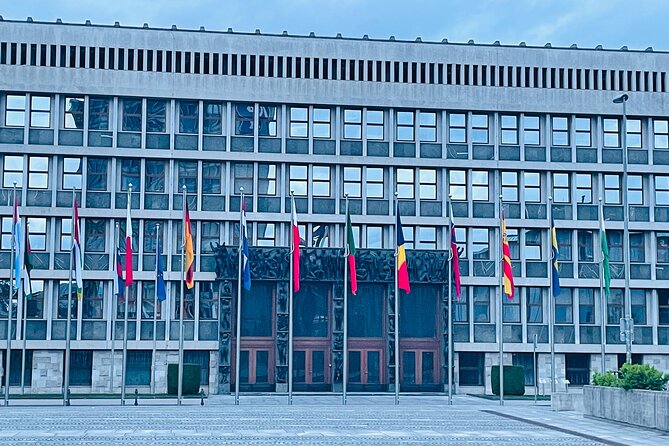
One of the most direct political stops is the National Assembly building. Here the tour shifts into the story of Yugoslavia’s formation, with key events, dates, and important politicians who shaped the country.
This is the moment where the tour stops feeling like “nice sightseeing” and starts acting like a guided orientation to the era. Even if politics isn’t your favorite topic, you’ll likely appreciate the structure: who mattered, what happened when, and why those decisions shaped what Ljubljana would become.
For many people, this is the stop that turns background knowledge into something you can place. You stop knowing facts and start understanding relationships.
Republic Square (Trg republike): Postmodernism’s Big Public Stage
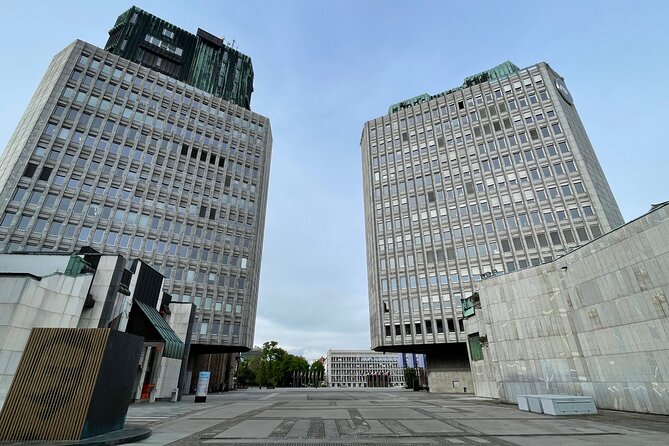
Then you end up at Republic Square (Trg republike), described as the largest postmodernist square in Ljubljana and a major stage for daily life and historic events.
This is a powerful stop because squares are where a city reveals itself. They’re built for gathering, ceremonies, and public visibility. That’s exactly what makes it relevant to a tour about a political era. The guide’s framing helps you see how urban design supports public messages.
If you like photography, this is where you can slow down. Even though the tour keeps a timed pace, the open space makes it easier to capture the architecture without squeezing past crowds.
Kinodvor: Culture in Motion at an Art-House Cinema
Next is Kinodvor City Cinema, Ljubljana’s beloved art-house cinema. You’ll hear about its mix of independent films, documentaries, and international festivals, all in a historic building that supports a long-running film culture.
This stop is smart because it balances the political and architectural focus with cultural life. It’s also a good reminder that the Tito era wasn’t only about government buildings. People spent time on art, stories, and shared public experiences.
If you’re the type who plans at least one cultural activity while traveling, this can give you ideas for what to look for during the rest of your stay.
Nebotičnik Skyscraper: 1933 Style, Included Ticket, and City Views
One of the standout stops is Nebotičnik, Ljubljana’s historic skyscraper from 1933. The tour highlights the mix of Art Deco and modernist styles, and it notes that it was once the tallest in the Balkans.
The best practical part is that the admission ticket is included here. You’re not guessing if the entry fee is worth it, because the tour covers it. You’ll also get a chance to enjoy views from the top floors, with cafés and restaurants in the building.
If you want the “Ljubljana from above” moment without booking a separate ticket, this is one of the reasons the tour can feel like good value.
Ljubljana Opera House and Reformator Bar: From Performances to a Relaxed Break
After Nebotičnik, you visit the Ljubljana Opera House, a neo-Renaissance building from 1892. The guide frames it as home to the Slovenian National Opera and Ballet, with a setting designed for world-class performances.
Then the tour shifts to a more casual stop: Reformator Bar on Trubar Street, described as cozy with historic charm. Even though the main focus is still the guide’s story, this is where the walk gives your brain a breather.
You’ll probably notice the contrast immediately. One building is about stagecraft and formal culture. The other is the kind of place locals might use for downtime, socializing, and quick conversation.
Bavarski dvor and Trg Osvobodilne fronte: Everyday City Energy Near Transport
Two more stops keep the tour grounded in lived city life.
Bavarski dvor is described as a central hub with a connection to a former Bavarian inn, and it’s near major transport links. Today it’s known for shops, cafés, and easier access around the city.
Then you reach Trg Osvobodilne fronte, or Liberation Front Square, named after the WWII resistance movement. The tour also points out that the square is home to the iconic Ljubljana Train Station and features striking Baroque-style architecture.
One thing I liked about this pairing is how it loops back to the theme of mobility and movement. You’re not just learning about Yugoslavia in abstract terms. You’re seeing how the city’s transport and public spaces remained important across eras.
What I’d Pack, Wear, and Plan for This 2-Hour Walk
Because the tour is weather dependent, you should dress like your comfort matters. Bring a layer, especially if you’re doing this in shoulder season when morning and evening temperatures can swing.
Comfortable shoes matter most. The route moves through a lot of city center surfaces, and the tour runs on a timed sequence of stops. If you’re prone to foot pain, plan for it now rather than later.
Also, since the tour includes snacks, you don’t need to hunt for them mid-walk. Still, I’d keep a small water bottle handy, because you’ll be outside and walking for about two hours.
Value Check: Is This Tito Era Tour Worth Your Time?
I think it’s worth it if you want a guided story that connects Yugoslavia, Tito’s legacy, architecture, and everyday life into one easy-to-follow route. You’re not just collecting landmarks. You’re learning what those landmarks meant during the era and how that meaning shaped Ljubljana’s streets.
It’s also a good option for groups that can split the group cost. If you’re traveling with friends or family and can fill most of the up-to-10 capacity, it can feel like a bargain compared to booking multiple separate tickets and guides.
On the other hand, if you already know a lot about Yugoslav history and you want a deeper dive at museums or archives, a short walking tour may feel too fast. In that case, you might use this as orientation, then build the rest of your day with longer visits on your own.
Should You Book Tito’s Socialist Ljubljana Private Tour?
Book it if you want a structured, private introduction to Tito-era Ljubljana that makes the city easier to read. The guide Primoz, with his friendly storytelling plus photos and memorabilia, is a strong reason to choose this format over a self-guided walk.
Skip it or consider another option if you dislike walking and you’re traveling during a period when weather might be unreliable. Since good weather is required, you’ll want a plan B day anyway.
If you’re asking me for a simple decision rule, here it is: if you like history that you can see in buildings, squares, and cultural institutions, this is a smart booking.
FAQ
How long is Tito’s Socialist Ljubljana Private Tour?
The tour lasts about 2 hours.
How big is the group for this private tour?
It’s a private tour for your group, with pricing set per group of up to 10 people.
What does the tour cost?
The price is $293.34 per group (up to 10).
Is there a guide, and is it a licensed guide?
Yes. The tour includes an in-person guide who is licensed or certified.
What is included in the tour besides the guide?
Snacks are included.
Where do we meet, and where does the tour end?
You start at Nazorjeva ulica 2, 1000 Ljubljana, Slovenia, and the tour ends at Republic Square, Trg republike, 1000 Ljubljana, Slovenia.
Are admission tickets included for stops?
Most stops list admission as free, and Nebotičnik has an admission ticket included.
What happens if the weather is bad?
This experience requires good weather. If it is canceled due to poor weather, you’ll be offered a different date or a full refund.
What is the cancellation policy?
You can cancel for free up to 24 hours in advance for a full refund. If you cancel less than 24 hours before the start time, the amount paid is not refunded.
The newest Ljubljana outings
- Explore the Instaworthy Spots of Ljubljana with a Local★ 5.0 · 1 review
- Transfer from Ljubljana to Salzburg or Vice Versa★ 5.0 · 1 review
- Soca valley | Private trip from Ljubljana★ 5.0 · 1 review
- Soča River Valley, Kranjska Gora & Lake Jasna Day Tour★ 5.0 · 1 review
- Private Tour in Kamnik – Mammoth – Farmhouse and Organic Farm★ 5.0 · 1 review
- Photo Tour: Ljubljana City of Lights★ 5.0 · 1 review
- I LOV IT – Tivoli Park Tour★ 5.0 · 1 review
Private Tours in Ljubljana, compared.
Private city tour of Ljubljana. 4 hours with a friendly and fun local guide.
Read our review →
Bled & Bohinj lakes with Skofja Loka | Private trip from Ljubljana
Read our review →Browse the lists this tour appears in